Start here
You can't get plastic out of your life in a weekend, and you don't need to. Read in this order: first what the evidence says, then the changes that matter most, then everything else.
Know what you are dealing with
What plastic is doing inside us, why recycling was never going to fix it, and who told you it would.
Microplastics are inside you right now. Here's what that actually means.Plastic particles have been found in human blood, brains, testes, placentas, breast milk and lungs. What the studies show, what they don't, and what to do about it.
Is plastic recycling a myth? What the labels really meanOnly 9% of the world's plastic waste gets recycled. What the number in the triangle, 'recyclable', 'compostable', 'plant-based' and 'BPA-free' actually tell you.
How the packaging industry convinced you plastic pollution is your faultIn 1953, can and bottle makers founded Keep America Beautiful to make waste a personal failing, not an industrial one. Coca-Cola signed on, and still funds it.
Start in the kitchen
Heat, fat and wear make plastic shed into food and drink. The kitchen is where small changes do the most.
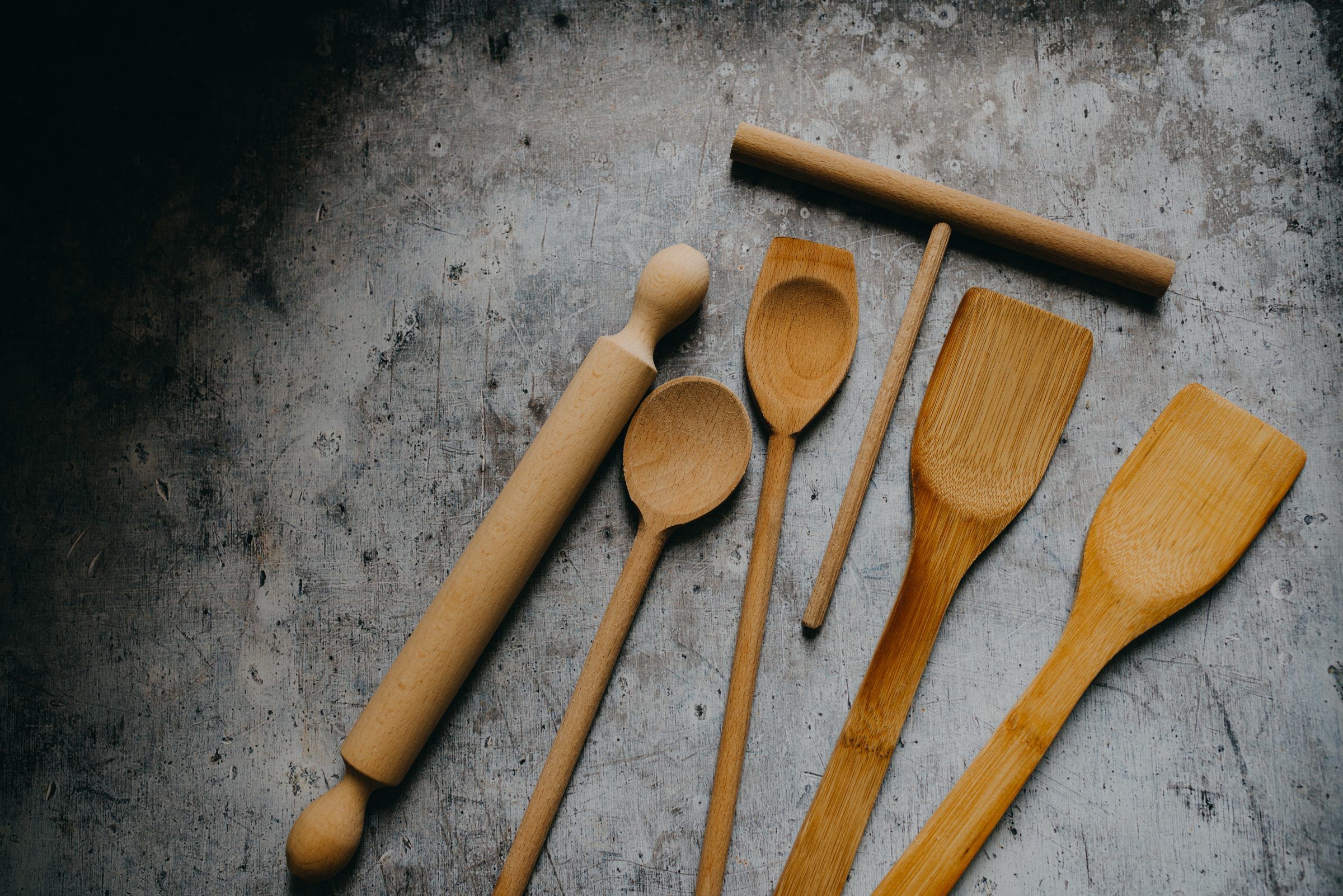
Plastic-free kitchen swaps, ranked by exposureHeat, scraping and time are what make kitchen plastic shed into food. Here are the swaps that matter most, in order, and the materials to replace them with.
Bottled water: you're paying extra for the plasticEvery lab that looks finds plastic in bottled water, and the bottle and cap are part of the source. What the newest studies show, how solid the numbers are, and what helps.
Microplastics in baby bottles: what the research actually showsA 2020 study found plastic baby bottles shed millions of particles per litre during formula prep. What it measured, who disputes it, and how to cut exposure without breaking formula safety rules.
Then the rest of the house
Dust, laundry, the bathroom cabinet and the toy box.
Microplastics in household dust and indoor air: what we knowThe air and dust in your home carry more plastic than the air outside. What the studies measured, how much you might breathe in, why kids get more, and what helps.
Do synthetic clothes shed microplastics? Yes. Here's what helpsPolyester, nylon and acrylic shed fibres in the wash, the dryer and on your body. What the studies measure, where the fibres go, and which fixes have evidence behind them.
Replace things as they wear out
Throwing away plastic you already own to buy "eco" versions is still more stuff. When something breaks, replace it with something that lasts.
- Our product standard: what has to be true before we list anything, and why.
- Vetted products, checked against that standard.
- Every room, with its articles and products together.