Plastic toys and teethers: phthalates, BPA, PVC and what's actually regulated
Babies chew on everything, and soft plastic toys can leach hormone-disrupting chemicals. What the US and EU ban, what still slips through, and which materials are safer.
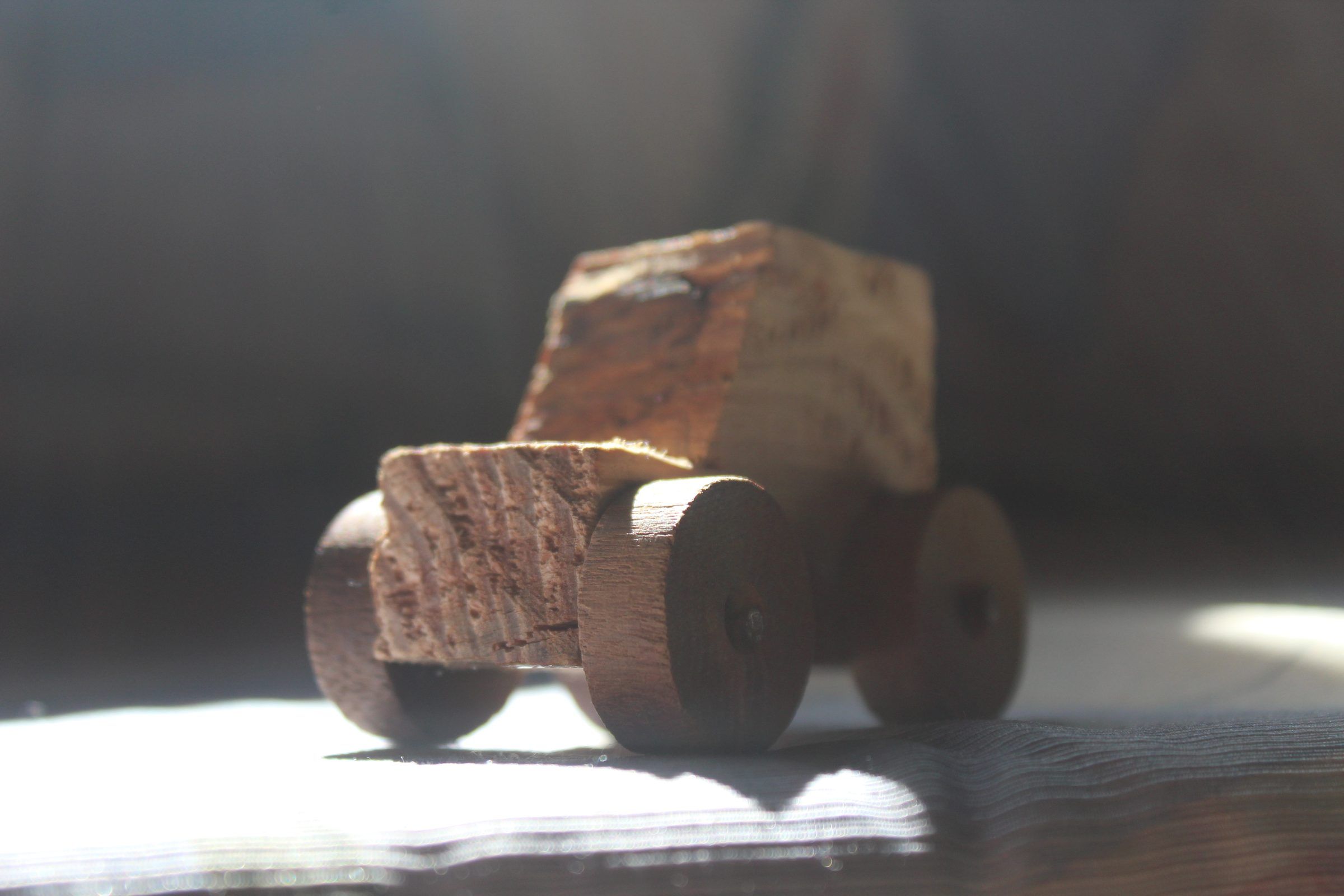
Babies test the world with their mouths. A rattle, a bath duck, the corner of a vinyl book: if it fits, it goes in. That’s normal development. It’s also why the chemistry of children’s plastic has been fought over for nearly 30 years.
The good news is that some of the worst chemicals are now banned from toys in the US and the EU. The bad news is that the bans are broken constantly, they don’t reach the toy box you inherited from your cousin, and the newest EU law won’t apply until 2030. Here’s what’s regulated, what isn’t, and what’s worth doing about it.
Why mouthing matters
Toddlers don’t just touch toys; they suck and chew them, and saliva pulls chemicals out of plastic. In a 2026 study that filmed 99 American children at home, babies aged 6 to 12 months spent a median of 18.67 minutes of every hour mouthing something, falling to about 5 minutes an hour by age 3 to 6. Food, dummies, food containers and hands topped the list, but toys and household objects were in there too.
Regulators build mouthing into their maths. When the EU tightened its bisphenol A limit for toys in 2017, it assumed a 10 kg child, a 10 cm² patch of toy and three hours of mouthing a day. That’s a deliberately cautious assumption, not a measurement, but it shows the logic: what matters for a teether isn’t what’s in it, it’s what migrates out.
That migration depends on the material. A 2022 model of chemicals moving from children’s products into saliva found that plasticisers in PVC had the highest migration rates of the chemical and material combinations it covered.
Phthalates and PVC: the core problem
PVC (vinyl) is hard and brittle on its own. To make it soft and squeezy, manufacturers add plasticisers, and phthalates are commonly used as plasticisers for PVC. They aren’t chemically bound to the plastic, so they can leach out, especially under chewing and saliva. That’s why phthalate rules target “plasticised material” and why the US product-safety regulator says it focuses its phthalate enforcement on bath toys and other small plastic toys, especially those made of PVC, that young children can put in their mouths.
Why the concern? The US Consumer Product Safety Commission’s (CPSC) expert panel on phthalates concluded in 2014 that the most sensitive and best-studied effect is harm to the developing male reproductive tract in rats exposed in the womb, and that human epidemiological data suggest exposure during pregnancy “may contribute to similar effects” in people. That’s suggestive, not proof of harm in children. The panel also estimated that, counting several phthalates together, roughly 10% of pregnant women and 5% of infants had exposures above acceptable levels.
Then comes the part toy-scare articles usually skip. The same panel concluded that most phthalate exposure comes from diet and personal care products, and that exposure from toys and childcare articles is “relatively small” but still adds to overall risk. A vinyl duck is not the main way phthalates get into your child. It is the one that’s easiest to remove, and the one the law already says shouldn’t be there.
What the US bans
The Consumer Product Safety Improvement Act of 2008 set the US rules. Today, children’s toys and childcare articles can’t contain more than 0.1% of any of eight phthalates: DEHP, DBP, BBP, DINP, DIBP, DPENP, DHEXP and DCHP. “Toy” means anything meant for play by a child 12 or under. “Childcare article” means products that help children 3 and under sleep, feed, suck or teethe, so teethers, dummies and bottle teats are covered.
The limits first took effect in February 2009. The CPSC expanded the list after its expert panel reported, in a final rule effective 25 April 2018 that also dropped interim bans on two phthalates (DIDP and DNOP) the panel didn’t think caused male developmental effects.
What the EU bans
Europe moved first. A temporary emergency ban on six phthalates in mouthable toys for under-threes began in 1999 and was renewed until a 2005 law made it permanent: DEHP, DBP and BBP are capped at 0.1% in all toys and childcare articles, and DINP, DIDP and DNOP at 0.1% in those that can be put in the mouth. Those rules now sit in REACH, the EU chemicals law, which added DIBP to the toy ban from 7 July 2020 and extended limits on four phthalates to most consumer goods.
One detail matters for shoppers. The EU’s definition of “plasticised material” covers PVC, polyurethanes, other polymers, and also coatings, decals, printed designs, inks and paints, but excludes silicone rubber and natural latex coatings. Those materials don’t rely on phthalate plasticisers, which is part of why they’re common in teethers.
The bans are broken constantly
A law is only as good as its enforcement, and phthalate violations are among the most persistent problems in toys.
The EU’s Safety Gate system publishes alerts when national authorities find dangerous products. By our count of a public copy of Safety Gate data (not an official Commission figure), there were more than 300 toy alerts involving phthalates from 2023 to 2025, well over 100 a year. Almost all were rated serious risk. China was named as the country of origin in about nine in ten of them, and plastic dolls were by far the biggest product group, followed by plastic balls and other plastic toys. These aren’t trace amounts. One 2025 alert for a bath toy reported 31% DEHP by weight, more than 300 times the legal limit.
A 2024 study of toys on sale in Serbia found the same pattern from the other end. Researchers tested 118 toys and found 23.7% contained restricted phthalates above 0.1%, with DEHP in every non-compliant sample. Their review of EU alerts counted 1,192 phthalate toy alerts between 2012 and 2022, with DEHP present in 94.79% of them. Their conclusion: more than a decade after the bans, toys “are still a significant source of children’s exposure to phthalates.” That’s one country and one sample, but it lines up with the alert data.
The US picture is harder to read. Our own search of the CPSC’s recall database turns up about 15 recalls citing phthalates since 2019, from children’s costumes and water balloons to a baby tummy-time book. Several were sold exclusively on Amazon. Recalls are only one enforcement tool, so a low number tells you how often the CPSC went public, not how often illegal toys reach homes. The obvious risk is the same on both sides of the Atlantic: cheap toys bought online from sellers that a regulator can’t easily reach.
BPA, bisphenols and teethers
Bisphenol A is used to make polycarbonate (hard, clear plastic) and epoxy resins, and it mimics oestrogen. Its toy limits have been tightened repeatedly. In 2017 the EU cut the allowed migration from toys for under-threes and mouthable toys from 0.1 to 0.04 mg per litre. In 2023 the European Food Safety Authority slashed its tolerable daily intake for BPA from 4 micrograms to 0.2 nanograms per kilogram of body weight, a 20,000-fold cut, and found that typical dietary exposure exceeded it by two to three orders of magnitude. That assessment was about food, but the EU cites it in its new toy law as the reason to tighten BPA rules.
“BPA-free” on a teether doesn’t mean free of bisphenols or other hormone-active chemicals. (We dig into that label in our guide to plastic labels.) Three lab studies show why:
- US researchers tested 59 teethers, most labelled BPA-free, and found nine bisphenols together leaching at 1.93 to 213 nanograms per teether, along with parabens, UV filters and antimicrobials.
- A German team screened 10 plastic teethers and found significant hormonal activity in 2. In one it was parabens; the other leached at least six antiandrogenic chemicals the researchers couldn’t identify.
- A European study found oestrogen-like activity leaching from 9 of 18 baby toys. BPA explained it in two. In seven, none of the 41 known suspects tested could account for it.
These are lab migration tests on small samples. They show teethers can release hormone-active substances; they don’t show those amounts harm babies. But the “unknown” findings are telling: routine testing only finds what it looks for. A 2026 modelling study that assumed the same bisphenol content in every toy found a teething ring, a costume and a doll gave children the highest daily doses, through skin contact, mouthing and dust.
If you’re also weighing feeding gear, our baby bottles explainer covers microplastics from bottles and silicone teats, and how to reduce them without breaking formula safety rules.
The EU’s new toy law: big promises, 2030 start
In December 2025 the EU published a new Toy Safety Regulation to replace its 2009 directive. On paper it’s the strongest toy chemicals law anywhere:
- Hazard-class bans. Substances classified as causing cancer, genetic damage or reproductive harm, endocrine disruptors, respiratory sensitisers and certain organ toxicants are banned in toys once they’re officially classified as such.
- PFAS. The intentional use of “forever chemicals” in toys is prohibited.
- Bisphenols. BPA falls under the general ban on reproductive toxicants, backed by a tighter migration limit of 0.005 mg per litre. Ten other named bisphenols are banned outright, because the EU’s chemicals agency flagged 34 bisphenols as possible hormone disruptors and the law wants to stop one being swapped for another.
- Digital product passports. Manufacturers must create one for every toy before selling it, stating that it complies. The law also says banned substances are tolerated only at technically unavoidable trace levels, “including in recycled materials.”
Now the catch. The regulation applies from 1 August 2030. Only administrative provisions started on 1 January 2026. And toys that met the old rules and were placed on the market before August 2030 can keep being sold with no end date. So the PFAS and bisphenol bans don’t touch the toys in shops today, and some compliant-with-the-old-rules stock will be around long after. Phthalates aren’t named in the new list, but the EU already lists DEHP, DBP, BBP and DIBP as toxic for reproduction, so they fall under the hazard-class ban as well as the existing REACH limits.
The US has nothing comparable at federal level: the toy phthalate rule covers eight named phthalates, and there’s no federal PFAS or bisphenol limit for toys.
Old and second-hand toys
Hand-me-downs are the greenest toys there are. They also predate every rule above. A vinyl doll from the 1990s was made before the EU’s 1999 emergency ban and the US limits of 2009, and the law doesn’t apply retroactively.
Phthalates aren’t the only issue. When a UK researcher screened about 200 second-hand plastic toys and tested migration on 26 of them, eight released cadmium or lead above the EU limits then in force, including cadmium from old yellow and red Lego bricks at about ten times the limit. A follow-up found brominated flame retardants in toys, new and old, that didn’t need to be flame-retarded at all, traced to recycled electronics plastic. Four toys had a banned flame retardant at levels that would block their sale in the EU today.
In the US, thrift stores and other resellers don’t have to test, but they can’t knowingly sell toys that break the phthalate ban. In practice nobody checks your neighbour’s garage sale.
The sensible line: old hard plastic blocks and figures for older kids are mostly a low concern. Old soft vinyl, painted plastic and anything a baby will chew are where to be picky.
The plastic footprint of toys
Toys are a plastic product in the most literal sense, and the industry’s own numbers show how slowly that’s changing. We couldn’t find a reliable, primary-sourced figure for the industry’s total plastic use; the widely repeated claim that 90% of toys are plastic traces back only to secondary sources, so we’ve left it out.
LEGO is the best-documented case. In 2023 it dropped a two-year effort to make bricks from recycled drinks bottles after concluding it would raise its carbon footprint, while saying it remained committed to “sustainable” bricks by 2032. In March 2026 it reported that 52% of the raw materials for its bricks came from renewable and recycled sources, up from 33%. Read the footnote, though: most of that is “mass balance” accounting, where renewable feedstock is mixed with virgin fossil feedstock somewhere in the supply chain and credited on paper. Only 4% was segregated material. Your child’s brick is still, physically, mostly fossil plastic. Durable plastic toys that get passed down for decades are the best case for plastic; the worst is the free toy in the kids’ meal.
What actually helps
Ranked by how strong the case is:
- Skip soft vinyl for babies and toddlers (strongest). Squeezy PVC dolls, bath toys, inflatables and vinyl books are where phthalate violations cluster in enforcement data, and PVC plasticisers migrate most readily into saliva. If a bath toy smells strongly of plastic or says “PVC” or “vinyl,” leave it.
- Be choosier about online marketplace sellers (strong). In EU alert data the phthalate toys are overwhelmingly imports from China, and several recent US phthalate recalls involved toys sold exclusively on Amazon. Buying from established retailers doesn’t guarantee compliance, but a seller with no address in your country is harder to hold to account.
- Be selective with old soft or painted plastic (moderate). Keep pre-2009 vinyl and chipped painted toys away from babies who chew. Old hard plastic for older kids is a lower concern.
- Don’t trust “BPA-free” on its own (moderate). It rules out one chemical. Lab tests show other bisphenols and hormone-active chemicals can leach from teethers.
- Remember diet matters more (context). If you’re trying to cut a child’s phthalate exposure overall, food and personal care products are the bigger sources. Our kitchen swaps guide and dust explainer cover those routes.
Alternatives, and their own caveats
- Wood. Solid, untreated or plant-oil-finished wood is a good choice for teethers and blocks. Watch the finish: paint and lacquer are where problems sit. EU rules set separate metal limits, including for lead, in scraped-off toy material, and the new regulation adds a formaldehyde emission limit for wood toy material. Plain, unpainted hardwood sidesteps most of these questions.
- Natural rubber. Rubber teethers don’t need phthalate plasticisers, but natural rubber latex is an allergen. About 1% of children are sensitised, rising to 3 to 5% of children with other allergies, and reported infant reactions include ones through dummies and teats. Children who’ve had repeated surgery, such as those with spina bifida, are at much higher risk. If your family has allergies, ask your doctor first.
- Silicone. Doesn’t use phthalates and is exempt from the EU’s plasticised-material definition. It’s still a synthetic polymer, and the evidence on silicone shedding is covered in our baby bottles article.
- Stainless steel. Inert and durable for cups, plates and some teethers. It contains nickel, which the new EU law explicitly permits in stainless steel toys; worth knowing if your child has a nickel allergy.
- Cotton and wool. Fabric toys avoid plasticisers in the body, but check for PVC prints, plastic eyes and noses, and synthetic stuffing. Phthalates turn up in printed designs and decals too, which is why soft toys appear in the alert data.
Fewer, better toys beat any material swap. The cheapest toy is the one you didn’t buy.
For how we judge products and claims, see our standards. More for parents in our baby and kids section.
Sources
- US Consumer Product Safety Commission (2018). 16 CFR Part 1307: Prohibition of children's toys and child care articles containing specified phthalates. Electronic Code of Federal Regulations.
- US Consumer Product Safety Commission (2017). Prohibition of Children's Toys and Child Care Articles Containing Specified Phthalates (final rule, 82 FR 49982). Federal Register.
- US Consumer Product Safety Commission (2009). CPSC Clarifies Requirements of New Children's Product Safety Laws Taking Effect in February. CPSC news release, 8 January 2009.
- Chronic Hazard Advisory Panel on Phthalates and Phthalate Alternatives (2014). Transmittal letter for the CHAP report to the CPSC (17 July 2014). US Consumer Product Safety Commission.
- US Consumer Product Safety Commission (2021). Resellers Guide to Selling Safer Products. CPSC.
- US Consumer Product Safety Commission (2026). Recalls database (SaferProducts.gov REST web service), recalls from 2019 onward. SaferProducts.gov.
- US Consumer Product Safety Commission (2024). Wee Gallery Recalls Baby Tummy Time Gallery Due to Violation of the Federal Phthalates Ban. CPSC recall, 19 September 2024.
- European Parliament and Council (2005). Directive 2005/84/EC amending Directive 76/769/EEC (phthalates in toys and childcare articles). Official Journal of the European Union L 344.
- European Commission (2018). Commission Regulation (EU) 2018/2005 amending Annex XVII to REACH as regards DEHP, DBP, BBP and DIBP. Official Journal of the European Union L 322.
- European Commission (2017). Commission Directive (EU) 2017/898 amending Appendix C to Annex II to Directive 2009/48/EC (bisphenol A in toys). Official Journal of the European Union L 138.
- European Parliament and Council (2025). Regulation (EU) 2025/2509 of 26 November 2025 on the safety of toys and repealing Directive 2009/48/EC. Official Journal of the European Union, L series, 12 December 2025.
- EFSA Panel on Food Contact Materials, Enzymes and Processing Aids (CEP), Lambré C, et al. (2023). Re-evaluation of the risks to public health related to the presence of bisphenol A (BPA) in foodstuffs. EFSA Journal.
- European Commission Safety Gate data, republished by Opendatasoft (2026). Safety Gate (RAPEX) alerts dataset (healthref-europe-rapex-en). Opendatasoft public data portal.
- European Commission Safety Gate (2025). Alert SR/03029/25: bath toy (Hungary). Safety Gate.
- Ivanovic N, Milenkovic M, Protic A, Jovanovic V, Djordjevic B, Dodevska M (2024). Phthalate content in toy samples available on the market of the Republic of Serbia. Analytical Methods.
- Adelabu F, Fayad-Martinez C, Ogunseye OO, Honan J, Gidley M, Beamer PI, Solo-Gabriele H, Ferguson A (2026). Analysis of durations and frequencies of mouthing behaviors in children 6 months to 6 years: an advanced videotaping and translation approach. Frontiers in Public Health.
- Aurisano N, Fantke P, Huang L, Jolliet O (2022). Estimating mouthing exposure to chemicals in children's products. Journal of Exposure Science & Environmental Epidemiology. Our summary
- Asimakopoulos AG, Elangovan M, Kannan K (2016). Migration of Parabens, Bisphenols, Benzophenone-Type UV Filters, Triclosan, and Triclocarban from Teethers and Its Implications for Infant Exposure. Environmental Science & Technology.
- Berger E, Potouridis T, Haeger A, Püttmann W, Wagner M (2015). Effect-directed identification of endocrine disruptors in plastic baby teethers. Journal of Applied Toxicology.
- Kirchnawy C, Hager F, Osorio Piniella V, Jeschko M, Washüttl M, Mertl J, Mathieu-Huart A, Rousselle C (2020). Potential endocrine disrupting properties of toys for babies and infants. PLOS ONE.
- Huang L, Nakayama Wong L, Zhou X, Romero-Franco M, Pham N, Shin HM, McKone T, Meng Q, Jolliet O (2026). USEtox modeling of children's exposures to Bisphenol A (BPA) and alternatives in toys. Journal of Exposure Science & Environmental Epidemiology.
- Turner A (2018). Concentrations and Migratabilities of Hazardous Elements in Second-Hand Children's Plastic Toys. Environmental Science & Technology. Our summary
- Fatunsin OT, Oluseyi TO, Drage D, Abdallah MA, Turner A, Harrad S (2020). Children's exposure to hazardous brominated flame retardants in plastic toys. Science of the Total Environment.
- Arasi S, Barni S, Caminiti L, et al. (2023). Latex Allergy in Children. Journal of Clinical Medicine.
- The LEGO Group (2026). The LEGO Group delivers record results in 2025 driven by strong brand and innovative portfolio. LEGO press release, 10 March 2026.
- Hahn J (2023). Lego scraps plans to make bricks from recycled plastic bottles. Dezeen, 26 September 2023 (reporting a Financial Times interview).
Spotted an error? Tell us and we'll correct it and note the change.