The plastic inside your cans: linings, BPA and what replaced it
Canned pumpkin, cranberry sauce, broth and beans all come in a metal can with a plastic coating inside. What that lining is made of, what moves into the food, and what to do about it this Thanksgiving.
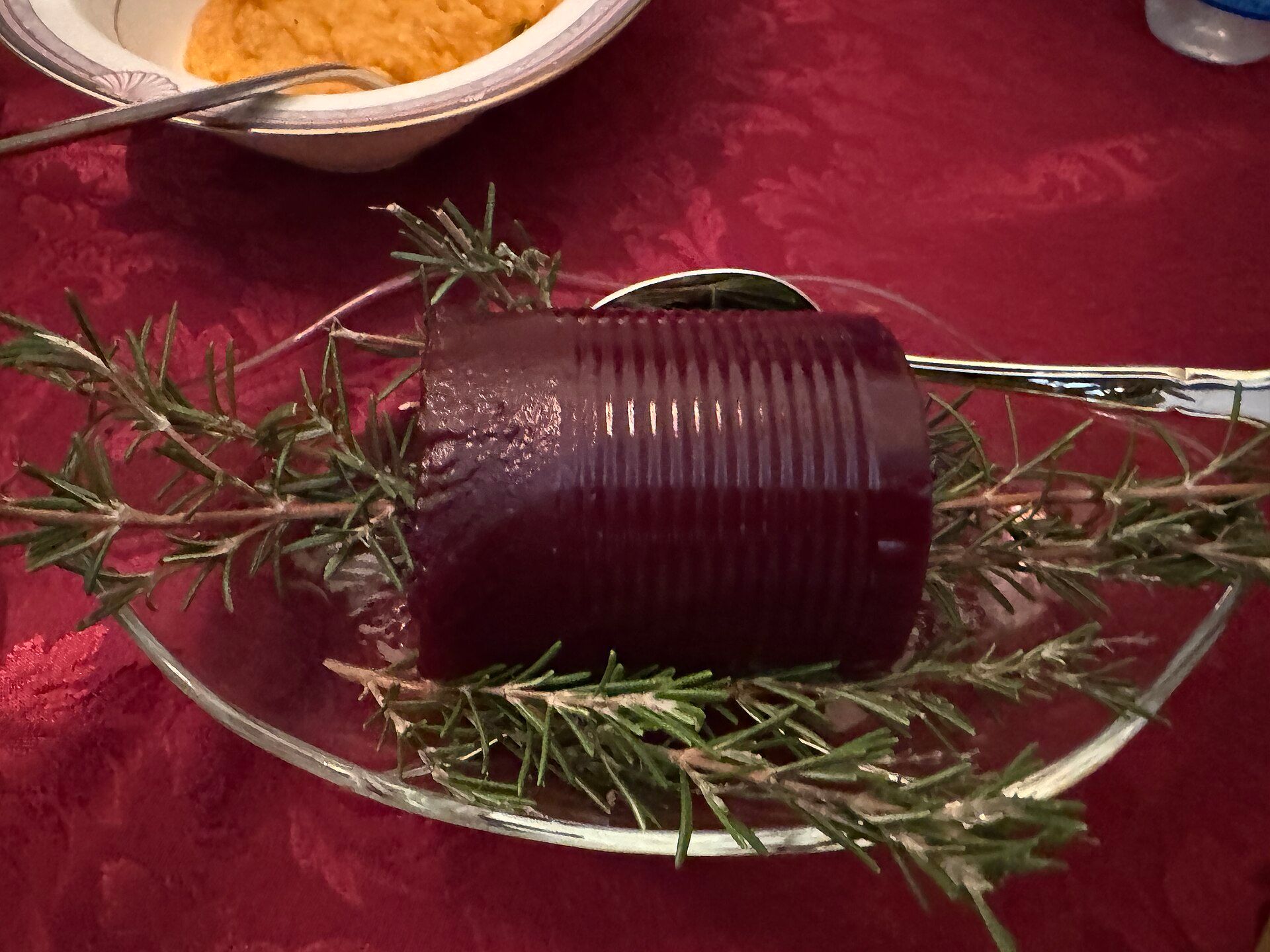
Somewhere in America this month, a cylinder of cranberry sauce will slide out of its can with the ridges still on it, and someone will put it on a nice plate. We’re not here to judge the jelly, just the thin coat of plastic it was sitting against.
Most food cans are lined. The lining keeps the food and the metal apart. It has also, for decades, been one of the best-documented ways BPA gets into people. We cover BPA itself, and the fight over how harmful it is, in our bisphenols explainer. This piece is about the can: what lines it, what moves into the food, and what to do about it before the holiday cooking.
Why there’s plastic in a metal can
Bare metal and food don’t get along. So cans are generally covered on the inside with a polymer coating, in the words of a 2022 review, “to preserve food and protect metal substrate from corrosion”. Even the advocacy groups most critical of these linings accept that the coating helps keep food safe from bacterial contamination.
For decades, the standard coating was epoxy resin made from BPA. The FDA says BPA has been used in food packaging since the 1960s, including in metal can coatings. Epoxies are built from BPA and chemicals made from it, such as BADGE, and the reaction can leave some BPA unbound in the finished lining, free to move into food.
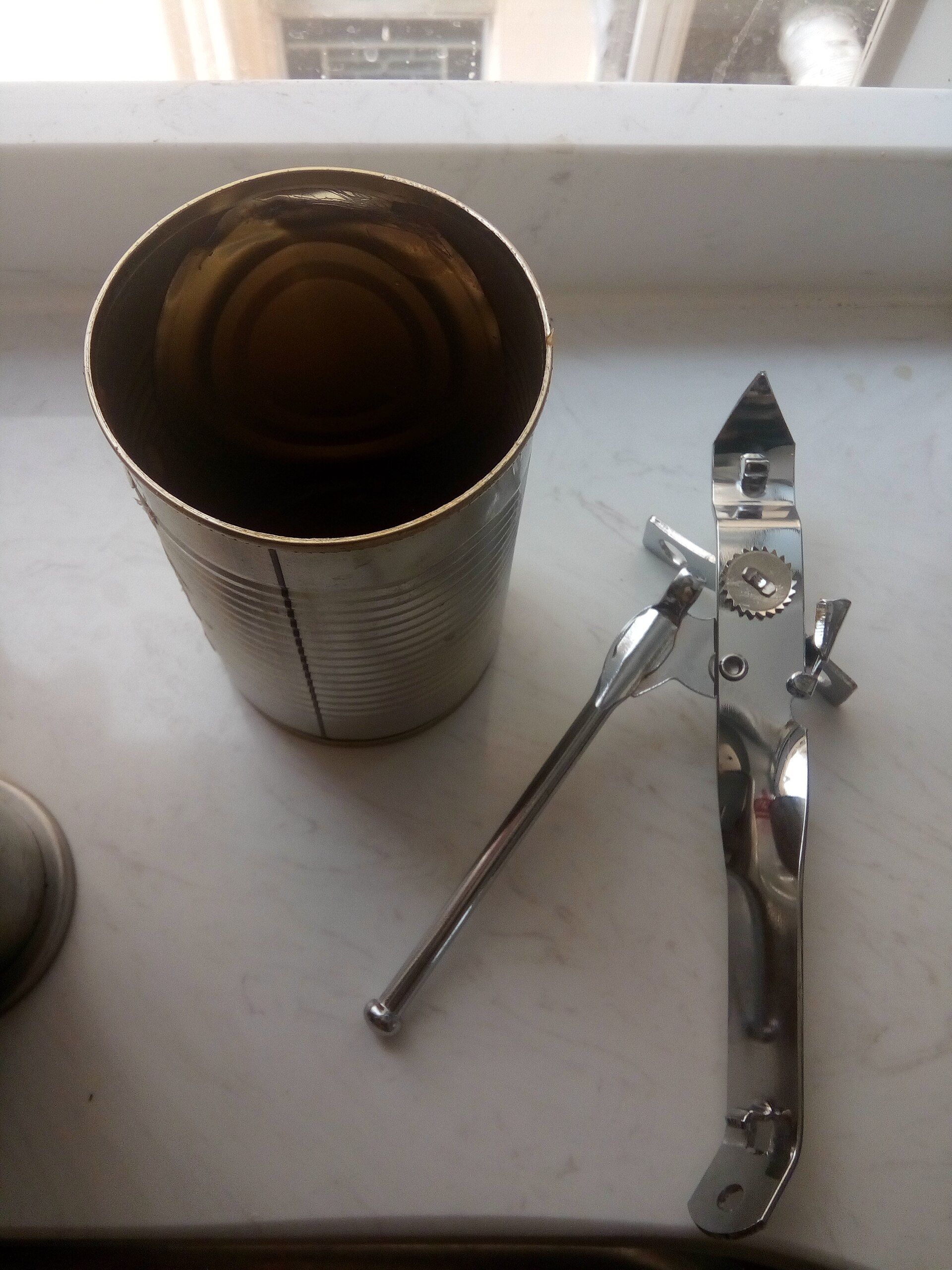

Negative consumer perceptions of BPA have pushed the industry towards alternatives. In 2016 a coalition of advocacy groups (the Breast Cancer Fund, Campaign for Healthier Solutions, Clean Production Action, the Ecology Center and the Mind the Store campaign) had 192 cans from 19 US states and Ontario scraped and analysed. They found five main types of lining: acrylic resins, BPA epoxy, oleoresin (a plant-oil-based coating), polyester resins and PVC copolymers. Thirty-nine percent of the cans had a combination of polystyrene and acrylic.
BPA epoxy was still the most common. It was in the body or lid of 67% of the cans (129 of 192). The Thanksgiving aisle was mixed: all 15 cans of broth and gravy had BPA epoxy, the worst category in the survey, as did 5 of the 10 cans of pumpkin and yams and 71% of the 38 bean cans. All 11 cans of cranberry sauce had coated bodies and lids.
Read it with caveats. The survey identified the type of lining, not what got into the food. Some categories were small (10 cans of pumpkin and yams, 11 of cranberry sauce). It’s ten years old, so linings may have changed since. And the groups were campaigning for brands to drop BPA, so it’s advocacy as well as data.
What gets out, and when
In at least one careful study, most of the migration happened before the can reached a shop. A 2004 UK study filled epoxy-lined cans in a pilot plant with soup, beef, evaporated milk and carrots, 80 to 100% of the BPA in the coating had moved into the food straight after the cans were sealed and heat-sterilised. Storing the cans for up to nine months, or denting them, didn’t change that: most of the migration happened during processing.
Other studies point to what makes it worse:
- High heat, salt and oil. In a lab test, cans of water heated at 105 or 121 °C showed temperature mattered more than heating time. Filling cans with salt solution or vegetable oil instead of water “greatly increased” how much BPA came out. That was a lab test with salt water and oil, not real food.
- Fat, for some chemicals. In canned sardines and anchovies bought in the UK in 1995 and 1996, BADGE, an epoxy building block, turned up above the limit of the time in some cans. In the most contaminated sardines, levels were about 20 times higher in the oil than in the drained fish. The highest levels were linked to PVC-based “organosol” linings. Those data are old, and resampled cans from 1997 were all under the limit at the time.
- Acid. When FDA researchers stored cans with a mild acid solution at 40 °C for up to a year and a half, most of the cans “did not survive” the test. They also found the standard 10-day test failed to predict long-term migration in one of the test liquids, and called for test methods that account for long-term storage.
Does storage time matter? The evidence is mixed. The 2004 study found no change over nine months. A study of canned liquid infant formula found BPA levels rose by 29.8 to 110% in 9 of 21 products after ten months at room temperature.
One finding from the 2004 study is useful for cooks: heating or cooking food in its can made no appreciable difference to BPA levels. The damage is done at the factory. So decanting before you heat is a free precaution, not a proven fix.
And rinsing? An FDA survey published in 2011 found BPA in 71 of 78 canned foods on the US market, from 2.6 to 730 nanograms per gram, and found that BPA moves into the solid food rather than staying in the liquid. We found no study showing that rinsing canned beans lowers bisphenols. Drain and rinse beans if you like, but don’t count on it to wash out the lining.
How much ends up in people
The clearest human evidence comes from small trials. In a 2011 trial, 75 volunteers ate a bowl of soup every day for five days, canned one week and fresh the other. After the canned week, their urinary BPA, measured a few hours after lunch, was 1,221% higher. Our BPA explainer covers that trial and its limits.
The pattern holds in the wider population. In 7,669 Americans aged 6 and over in the national NHANES survey (2003 to 2008), eating one canned food in the past day was linked to 24% higher urinary BPA, and two or more to 54% higher. Canned soup was linked to 229% higher levels. That study was a snapshot, so it shows an association, not cause.
Drinks are less clear. In a trial of 60 people aged 60 and over, urinary BPA was more than 1,600% higher two hours after two canned drinks than after the same drink from glass bottles, and systolic blood pressure was about 4.5 mm Hg higher. But the NHANES analysis found canned drinks weren’t linked to BPA levels. And a 2025 German trial of 103 women found BPA 22.3% higher after canned soda than after PET bottles, with no difference from glass, and blood pressure rose whatever the container.
The short version: in trials and national data, canned food went with clearly higher BPA in urine, while the evidence for drinks is mixed. Most of these studies are 10 to 20 years old, and linings have changed since. As our explainer covers, BPA is cleared quickly, so cutting back works fast.
“BPA-free” linings: a different set of unknowns
Swapping out BPA doesn’t produce a can with nothing in it. It produces a can with something else in it, usually less studied.
- PVC-based linings. These come with their own chemistry. The organosol linings linked to high BADGE in the 1990s were PVC-based. The EU limits BADGE and its chlorinated derivatives, and has banned two related epoxy chemicals, BFDGE and NOGE, from food-contact materials (apart from large containers) since 2005, because the safety data needed to keep using them weren’t supplied in time.
- Newer bisphenol epoxies. A lab study of four cans with BPA-replacement linings found other bisphenols migrating out, including TMBPF, BPF and BPC. A 2025 review says TMBPF is increasingly used in can coatings and often marketed under a “BPA-free” label, and that it was considered safe because it showed no estrogen-like effects, but that since 2021, studies have reported effects on the thyroid, bones, brain development and reproduction, mostly in lab and animal work.
- Polyester. Polyester linings release small molecules too. Researchers testing one polyester-coated can identified a breakdown product called fenozan in everything that migrated from it. It didn’t damage DNA in standard tests, but it weakly interfered with rat thyroid cells, at high concentrations, in a dish. A separate study found polyester monomers and oligomers in real canned food at the end of shelf life were significantly lower than in the test liquids regulators use.
- Acrylic. The 2016 survey found many acrylic linings also contained polystyrene. We found no study measuring what migrates from them into real food.
A 2022 review sums up the state of knowledge fairly. Many of the substances that could migrate from can coatings haven’t been identified, and only some have been tested for toxicity. Measured dietary exposure has generally been low, but studies haven’t looked at the combined effect of many chemicals at once.
That’s not proof the replacements are harmful. It’s the absence of proof that they’re safe, which is the pattern our bisphenols explainer calls regrettable substitution.
What the rules say (as of 10 November 2026)
European Union. In 2023 the EU’s food safety agency cut its tolerable daily intake for BPA to 0.2 nanograms per kilogram of body weight, and estimated that average and high consumers in every age group exceed it by two to three orders of magnitude. The EU then banned BPA in food-contact materials, can coatings included, under Regulation (EU) 2024/3190. Single-use packaging made with BPA could be first placed on the market only until 20 July 2026. Cans for preserved fruit, vegetables and fishery products have until 20 January 2028. Empty cans placed on the market by those dates can still be filled and sealed for 12 more months, and the food sold until stocks run out, so BPA-lined cans can stay on EU shelves for a while yet. A February 2026 correction made clear the deadlines apply to when packaging is first placed on the market. The regulation also bans other hazardous bisphenols, with limited exceptions, and says linings made from other bisphenols must contain no residual BPA.
United States. The FDA’s position is that BPA is safe at the current levels occurring in foods. It says it is “currently reviewing” a BPA petition. That petition, filed in 2022 by environmental and health groups including the Environmental Defense Fund and the Endocrine Society, asks the FDA to remove or restrict BPA’s authorised uses. We found no decision in the Federal Register.
Washington State has its own rule. Since 1 January 2025 it has banned the manufacture, sale and distribution of drink cans with bisphenol-based epoxy linings, except products made before that date. Food cans aren’t banned: makers must report whether they use bisphenol epoxy. Both rules exempt TMBPF-based linings, the same replacement the 2025 review flags. We haven’t checked every state’s rules.
In fairness to the can
Cans aren’t the villain of the pantry. A sealed, sterilised can keeps food without a fridge, which matters for people without much fridge space. Even the EU, while banning BPA, gave cans for fruit, vegetables and fish extra time partly “to avoid food waste”. Metal cans also recycle well: in its latest material figures, for 2018, the EPA estimated 70.9% of steel cans were recycled in 2018, and 50.4% of aluminium drink cans. Rinse the can and recycle it. The problem is the lining, not the metal.
Cooking the feast with fewer cans
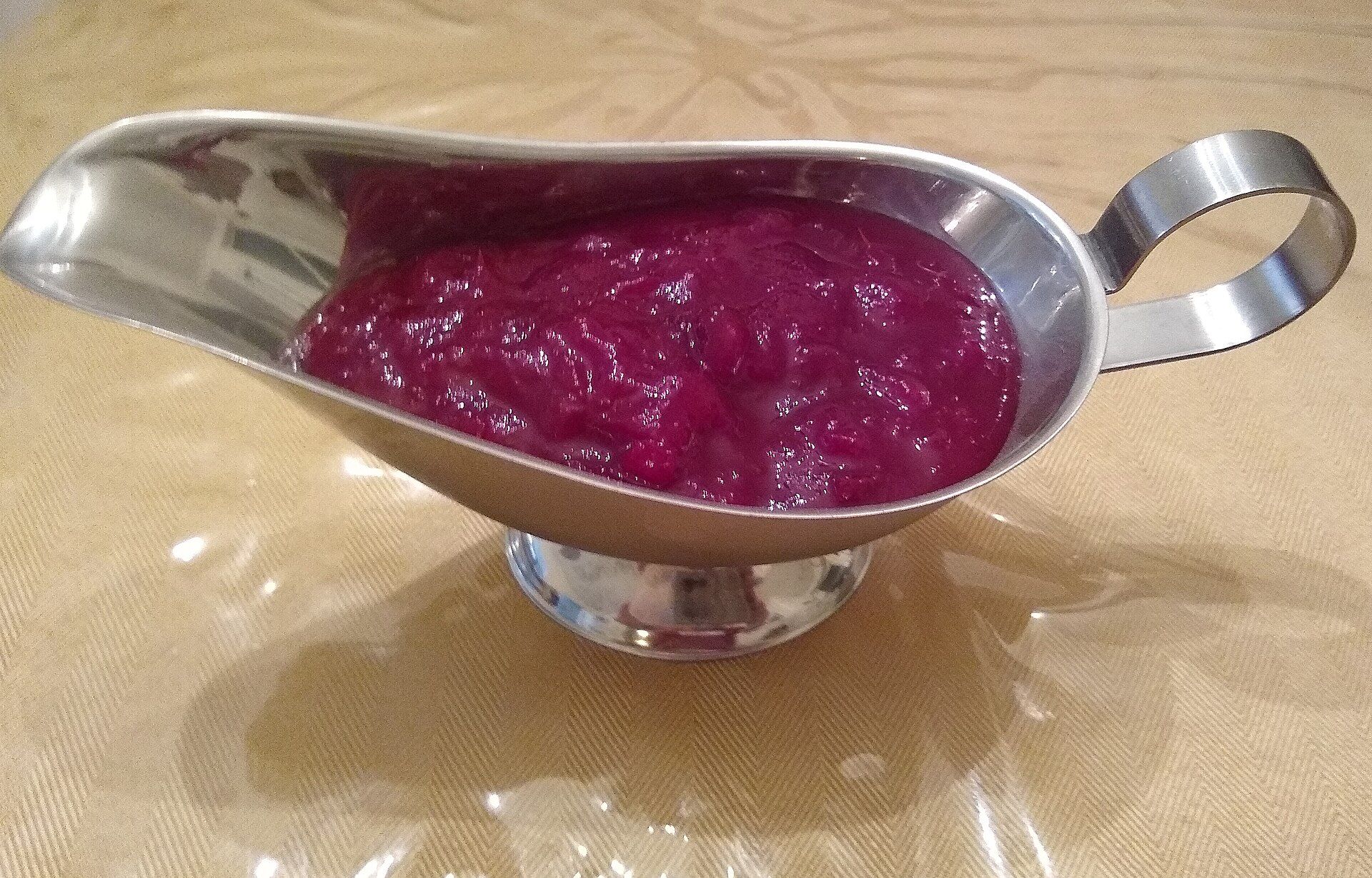

- Cranberry sauce from fresh berries. Cranberries, sugar, water, a pan. It’s one of the easiest dishes on the table, and it doesn’t need a can.
- Pumpkin from a pumpkin. Roast a halved sugar pumpkin or squash and mash or purée the flesh.
- Dried beans instead of canned. Soak and cook a big batch and freeze it in portions. Cheaper, too.
- Broth from bones and peelings. Simmer the turkey carcass with vegetable scraps. Broth and gravy were the worst category in the 2016 survey.
- Frozen vegetables for anything you’d normally buy canned. The FDA survey didn’t find BPA in either of the two frozen foods it tested, though that’s a tiny sample.
- Glass jars, with a footnote. The jar is glass, but the lid usually isn’t plastic-free: it has a sealing gasket. In a Danish check of 19 jarred foods, plasticisers from the lid gaskets turned up in the food, highest in oily foods such as garlic or olives in oil, and several products were withdrawn. That was in 2008, and the gasket is a small strip of the lid rather than the whole inner surface, as a can lining is. Jars are still a step down in contact, but not a plastic-free one.
- Decant leftovers (a precaution). We found no study of opened cans in the fridge, so this is a cheap precaution rather than an evidence-backed fix: move leftovers to glass or steel (our food storage guide has options), and heat it in a pan or a glass or ceramic dish, not in the can or in plastic.
For the rest of the shop, see plastic-free grocery shopping. If you’re serving on heirloom dishes, check our guide to lead in glazes too, and for wrapping and decorating, there’s our holiday guide.
The short checklist
- Make cranberry sauce and pumpkin from scratch. Both are easy, and neither needs a can.
- Swap canned beans and broth for dried beans and homemade stock, batch-cooked and frozen.
- Choose frozen over canned for vegetables.
- Don’t trust “BPA-free” as a safety claim. It tells you what isn’t in the lining, not what is.
- Decant opened cans into glass or steel, and heat food in a pan or dish. It’s a precaution, not a proven fix.
- Recycle the empty can. Steel and aluminium are worth it.
Sources
- Carwile JL, Ye X, Zhou X, Calafat AM, Michels KB (2011). Canned soup consumption and urinary bisphenol A: a randomized crossover trial. JAMA 306(20):2218-2220.
- Hartle JC, Navas-Acien A, Lawrence RS (2016). The consumption of canned food and beverages and urinary Bisphenol A concentrations in NHANES 2003-2008. Environmental Research 150:375-382.
- Bae S, Hong YC (2015). Exposure to bisphenol A from drinking canned beverages increases blood pressure: randomized crossover trial. Hypertension 65(2):313-319.
- Plachetka L, Stanislas V, Bauer A, Göen T, Denghel H, Michels KB (2025). Urinary bisphenol levels and blood pressure after soda consumption from cans, PET and glass bottles. Scientific Reports 15:32477.
- Goodson A, Robin H, Summerfield W, Cooper I (2004). Migration of bisphenol A from can coatings: effects of damage, storage conditions and heating. Food Additives and Contaminants 21(10):1015-1026.
- Kang JH, Kito K, Kondo F (2003). Factors influencing the migration of bisphenol A from cans. Journal of Food Protection 66(8):1444-1447.
- Summerfield W, Goodson A, Cooper I (1998). Survey of bisphenol A diglycidyl ether (BADGE) in canned foods. Food Additives and Contaminants 15(7):818-830.
- Noonan GO, Ackerman LK, Begley TH (2011). Concentration of bisphenol A in highly consumed canned foods on the U.S. market. Journal of Agricultural and Food Chemistry 59(13):7178-7185.
- Cao XL, Corriveau J, Popovic S (2009). Migration of bisphenol A from can coatings to liquid infant formula during storage at room temperature. Journal of Food Protection 72(12):2571-2574.
- Paseiro-Cerrato R, DeVries J, Begley TH (2017). Evaluation of short-term and long-term migration testing from can coatings into food simulants: epoxy and acrylic-phenolic coatings. Journal of Agricultural and Food Chemistry 65(12):2594-2602.
- Breast Cancer Fund, Campaign for Healthier Solutions, Clean Production Action, Ecology Center, Mind the Store Campaign (2016). Buyer Beware: Toxic BPA and regrettable substitutes found in the linings of canned food. Advocacy group report (testing by the Ecology Center).
- Zhang N, Scarsella JB, Hartman TG (2020). Identification and quantitation studies of migrants from BPA alternative food-contact metal can coatings. Polymers 12(12):2846.
- Hwang I, Cui XS, Jeung EB (2025). Tetramethyl bisphenol F: organ- and system-specific toxicity, current status, and perspectives. International Journal of Molecular Sciences 26(19):9280.
- Hayrapetyan R, Séverin I, Matviichuk O, et al. (2024). Hazard assessment of fenozan, a released non-intentionally added substance from polyester-based can coating. Food Additives & Contaminants: Part A 41(12):1692-1706.
- Driffield M, Garcia-Lopez M, Christy J, Lloyd AS, Tarbin JA, Hough P, Bradley EL, Oldring PKT (2018). The determination of monomers and oligomers from polyester-based can coatings into foodstuffs over extended storage periods. Food Additives & Contaminants: Part A 35(6):1200-1213.
- Lestido-Cardama A, Sendón R, Bustos J, Nieto MT, Paseiro-Losada P, Rodríguez-Bernaldo de Quirós A (2022). Food and beverage can coatings: a review on chemical analysis, migration, and risk assessment. Comprehensive Reviews in Food Science and Food Safety 21(4):3558-3611.
- Pedersen GA, Jensen LK, Fankhauser A, Biedermann S, Petersen JH, Fabech B (2008). Migration of epoxidized soybean oil (ESBO) and phthalates from twist closures into food and enforcement of the overall migration limit. Food Additives & Contaminants: Part A 25(4):503-510.
- European Commission (2024). Commission Regulation (EU) 2024/3190 on the use of bisphenol A (BPA) and other bisphenols and bisphenol derivatives in food contact materials. Official Journal of the European Union, 31 Dec 2024.
- European Commission (2026). Commission Regulation (EU) 2026/250 correcting Regulation (EU) 2024/3190. Official Journal of the European Union, 3 Feb 2026.
- US Food and Drug Administration (2022). Environmental Defense Fund et al.; Filing of Food Additive Petition. Federal Register, 11 Jul 2022, document 2022-14682.
- European Commission (2005). Commission Regulation (EC) No 1895/2005 on the restriction of use of certain epoxy derivatives in materials and articles intended to come into contact with food. Official Journal of the European Union L 302, 19 Nov 2005.
- EFSA Panel on Food Contact Materials, Enzymes and Processing Aids (CEP) (2023). Re-evaluation of the risks to public health related to the presence of bisphenol A (BPA) in foodstuffs. EFSA Journal 21(4):e06857.
- US Food and Drug Administration (2023). Bisphenol A (BPA): Use in Food Contact Application. fda.gov (content current as of 20 Apr 2023).
- US Food and Drug Administration (2023). Bisphenol A (BPA). fda.gov (content current as of 25 Apr 2023).
- Washington State Department of Ecology (2023). WAC 173-337-114: Bisphenols (Safer Products for Washington). Washington Administrative Code; WSR 23-12-044, effective 1 Jul 2023.
- US Environmental Protection Agency (2018). Ferrous Metals: Material-Specific Data (Facts and Figures about Materials, Waste and Recycling). epa.gov (2018 data).
- US Environmental Protection Agency (2018). Aluminum: Material-Specific Data (Facts and Figures about Materials, Waste and Recycling). epa.gov (2018 data).
Spotted an error? Tell us and we'll correct it and note the change.