Phthalates explained: what they are, what the evidence says and how to eat fewer of them
The softeners in vinyl and the fixatives in fragrance end up in almost everyone. What the science shows about harm, how the US and EU regulate them, and which fixes actually work.
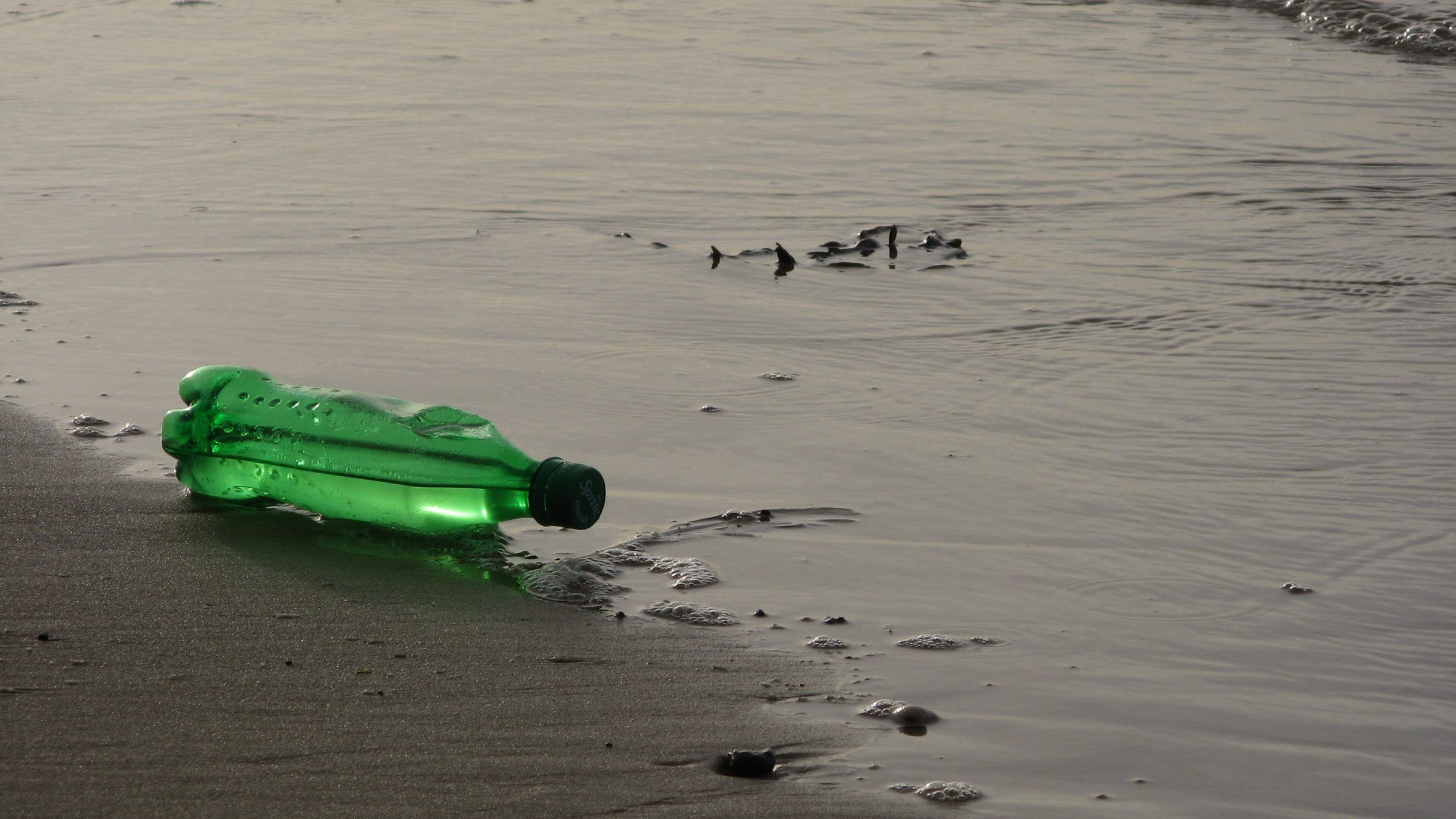
Phthalates are the reason your shower curtain is floppy and your perfume lasts until lunch. They’re also in the urine of almost everyone who has ever been tested for them. In a pooled study of more than 6,000 pregnant people across 16 US cohorts, most phthalate metabolites turned up in more than 96% of participants.
That’s not a scandal on its own. The real questions are whether these levels do anything, how strong the evidence is, and whether you can do much about it. You can, a bit, though not always in the way you’d expect.
What phthalates are
Softeners that don’t stay put
Phthalates (strictly, ortho-phthalates) are a family of chemicals mostly used to make polyvinyl chloride, also called PVC or vinyl, soft and less brittle. The FDA lists their uses as toys, vinyl flooring and wallcovering, detergents, lubricating oils, food packaging, pharmaceuticals, blood bags and tubing, and personal care products.
The key chemistry is that phthalates don’t permanently bind to the plastic they soften. They sit between the polymer chains like oil in a sponge, so over time they migrate into food, dust, air and skin.
Also in fragrance
The second big use isn’t plastic at all. Diethyl phthalate (DEP) is used as a solvent and fixative in fragrances, and the FDA says it “appears to be the only phthalate still commonly used in cosmetics.” You won’t usually see it on the label. US rules let a manufacturer list the whole blend as “fragrance” without naming the ingredients.
The main players
Phthalates fall roughly into two groups. Low-molecular-weight ones like DEP and DBP show up in cosmetics and coatings. High-molecular-weight ones like DEHP, DINP and DIDP are the PVC softeners and turn up mainly through food.
| Chemical | What it’s used for | Where it stands |
|---|---|---|
| DEHP | The classic PVC softener, including medical tubing and blood bags | EU: authorisation required, 0.1% limit in most articles. US: still authorized for some food contact |
| DBP | Historically nail polish, adhesives | EU: restricted like DEHP. US: banned above 0.1% in toys |
| BBP | Vinyl flooring, sealants | EU: restricted like DEHP. US: banned above 0.1% in toys |
| DIBP | A DBP substitute | EU restriction added in 2020. Rose 206% in US urine 2001–2010 |
| DINP, DIDP | The main DEHP replacements in PVC | Still authorized for US food contact. DINP banned above 0.1% in US toys |
| DEP | Fragrance solvent | Not covered by the EU four-phthalate restriction. Still allowed under a pre-1958 US food-contact approval |
| DINCH, DEHT (DEHTP, DOTP) | Non-ortho replacements | Largely unrestricted. Exposure rising fast |
The sources for the table are the EU restriction, the EU authorisation list, the CPSC toy rule, FDA’s food-contact status and NHANES trend data. DEHT is technically a terephthalate. Its ester groups sit on opposite sides of the ring, so rules written for “ortho-phthalates” don’t cover it.
How they get into you
Food, mostly, for the heavy ones
The CPSC’s expert panel concluded that most exposure comes from diet and personal care products. Food picks up phthalates along the way, from tubing in dairy and processing plants, conveyor belts, gaskets, packaging and gloves.
The best-known population study comes from Ami Zota’s group. Using US national survey data (NHANES 2003–2010) on 8,877 people, they found that those who got at least 34.9% of their calories from fast food had 23.8% higher DEHP metabolite levels and 39% higher DiNP metabolite levels than people who’d eaten none in the previous day. The design is cross-sectional and uses a single 24-hour diet recall, so it shows an association, not proof that the burgers caused it. The dose-response pattern was clear, though (p-trend < 0.0001).
When the same group bought burgers, fries, nuggets, burritos and pizza from US chains, DnBP turned up in 81% of the food samples and DEHP in 70%. The replacement plasticiser DEHT showed up at the highest concentrations of all. The vinyl food-handling gloves they tested were 28–37% DEHT by weight. That was 64 food samples and three gloves, a small preliminary study, but the gloves are a striking detail.
The EU’s food safety agency puts total dietary intake of four phthalates (DBP, BBP, DEHP and DINP) at 0.9–11.7 µg per kg of body weight per day. That’s up to 23% of its safety threshold in the worst case. It also admits there was “not enough information” to say how much of that comes from plastic food packaging versus contamination from elsewhere.
Personal care
This is where DEP and some of the lighter phthalates come from. In a study of 163 infants, recent use of baby lotion, powder and shampoo was linked to higher phthalate metabolite levels, and levels rose with the number of products used.
Dust and air
Phthalates migrate out of vinyl flooring, wallcoverings, furniture and electronics and settle in house dust. A meta-analysis of US indoor dust studies found that phthalates were the most concentrated of 45 consumer-product chemicals measured, and that several phthalates had the highest estimated residential intakes. The EU’s own restriction lists food and dust ingestion, mouthing, indoor air and skin contact as routes. See our dust and indoor air explainer for the wider picture.
Medical devices and drugs
DEHP-softened PVC is still used in medical tubing and blood bags. In 2012 the FDA told drugmakers to avoid DBP and DEHP as excipients, the inactive ingredients in pills, such as enteric coatings. For devices, see the EU section below.
Toys
Toys have their own rules on both sides of the Atlantic, and we’ve covered them in plastic toys and teethers. The short version: toys are a relatively small share of a child’s total phthalate exposure, but mouthed soft vinyl is a direct route and bans are often broken.
What biomonitoring shows
Phthalates break down quickly. Most have a half-life of 12 to 48 hours, so a urine test is a snapshot of the last day or two, not a lifetime. That’s useful for tracking populations and annoying for epidemiologists, as we’ll see.
The population trend is a story of substitution. Between 2001–02 and 2009–10, US levels of DEHP metabolites fell 37% and the DEP metabolite fell 42%, while the DIBP metabolite rose 206% and a DiNP metabolite rose 149%.
Europe shows the same pattern a step further on. In Danish and German young adults, DEHP excretion fell about 12–16% a year, while the replacements DINCH rose roughly 10–68% a year and DEHT about 100% a year between 2009 and 2017. In German samples, DINCH went from first detection in 2006 to every sample from 2013 on. Across Europe, levels of restricted phthalates in children are falling while DINCH edges up. In the US, DEHT metabolites were found in 96% to 99.9% of people in the 2015–16 national survey.
Regulation works: restricted chemicals drop. Industry then swaps in the next molecule, and that one rises. Whether the swap is an improvement depends on the replacement (see below).
What the evidence says about harm
Animal studies: strong, and the dose matters
The core finding is anti-androgenic: certain phthalates suppress testosterone production in the fetal testis during a critical window of development. In a landmark rat study, mother rats were dosed with 750 mg/kg/day of various phthalates from late pregnancy until three days after birth. 82% of male pups exposed to DEHP and 84% exposed to BBP had reproductive malformations, and their anogenital distance (the gap between anus and genitals, a marker of fetal androgen action) was about 30% shorter. DINP had the same effect but was about ten times weaker (7.7% malformed). DEP, DMP and DEHT did nothing at that dose.
Two caveats matter. First, that dose is enormous. It’s roughly 64,000 times EFSA’s highest estimate of combined dietary intake (our arithmetic, from EFSA’s figures). Regulators work down from studies like this using lower-dose data and safety factors, not by assuming humans get rat-sized doses.
Second, the rat may overstate the human risk. An EPA-authored review found that human fetal testis tissue grafted into rodents didn’t show DBP-induced testosterone suppression the way fetal rats do. Some androgen-independent effects did appear across species, though, including human tissue. The mechanism is real; how sensitive humans are is the open question.
Human studies: consistent signals, all observational
The first study to look for the rat syndrome in babies measured 134 boys. In the 85 with prenatal urine samples, mothers’ levels of four phthalate metabolites were linked to shorter anogenital distance. Boys in the top quarter for one DBP metabolite had ten times the odds of a shorter-than-expected measurement (OR 10.2, 95% CI 2.5–42.2). That’s a small sample with a very wide confidence interval, and it’s an association.
A systematic review led by EPA scientists weighed the human literature as a whole. It rated the evidence linking DEHP and DBP to male reproductive outcomes (anogenital distance, semen quality, testosterone, time to pregnancy) as robust, DINP and BBP as moderate, and DIBP and DEP as slight. DEP’s weak showing matches the rat data, which is reassuring for the fragrance phthalate and coherent overall.
None of these human studies can prove causation. People with higher phthalate levels also eat differently, earn differently and live in different housing. Single spot urine samples misclassify exposure for chemicals that clear in a day. Still, the human associations line up with the animal mechanism and generally point the same way. That’s why regulators treat the reproductive effects as real.
Preterm birth: the newest signal, and where the critiques bite
This is where phthalates hit the headlines, and where you should read the fine print.
Welch et al., 2022. Pooling 16 US cohorts (6,045 pregnancies, 539 preterm births), researchers found that an interquartile-range increase in several phthalate metabolites was linked to 12% to 16% higher odds of preterm birth. Several confidence intervals touched or crossed 1 (for example, OR 1.16, 95% CI 1.00–1.34). They modelled that cutting the phthalate mixture by 30% might prevent about six preterm births per thousand. That modelling only counts as causal if strong assumptions hold. The paper says “may be a preventable risk factor,” which is about right.
Trasande et al., 2024. Using 5,006 mother-child pairs from the NIH’s ECHO cohorts, this study linked DEHP to preterm birth (OR 1.45 per tenfold increase), with stronger associations for the replacements DiNP, DiDP and DnOP. It then estimated 56,595 phthalate-attributable preterm births in the US in 2018, costing $3.84 billion, with a sensitivity range of 24,003 to 120,116. Read the paper’s own discussion before you repeat that number. The authors list unmeasured confounding and note that, although these phthalates are dietary contaminants, the cohorts had no harmonised diet data. They also say the results are “substantially driven by one cohort” and that spot urine samples blur exposure. Trasande declares a scientific advisory board role with Beautycounter, a “clean” cosmetics company. That’s disclosed and doesn’t invalidate the work, but it belongs in the picture. A 2026 follow-up by the same group extends the method worldwide (1.97 million DEHP-attributable preterm births). Its own uncertainty analysis allows estimates up to four times lower for DEHP and ten times lower for DiNP.
Trasande et al., 2022 (mortality). The same lead author linked phthalate metabolites in 5,303 US adults to death rates. Extrapolating, the paper estimated 90,761 to 107,283 attributable deaths among 55- to 64-year-olds. Its limitations section concedes that a spot urine sample is “limited in its capacity” to represent long-term mortality risk, given that phthalates have a half-life of one to three days. A published comment on the paper followed in the same journal.
Here’s our read. Attributable-burden estimates multiply an uncertain effect size by an entire population, so modest bias in the input becomes a huge number at the output. Treat these as “if the association is causal, the stakes are large,” not as body counts.
Where regulators land
Regulators who’ve looked at the same evidence disagree, mostly about exposure rather than hazard.
- EFSA (EU, 2019) set a group tolerable daily intake of 50 µg/kg/day for DEHP, DBP, BBP and DINP combined, based on the shared mechanism of lowering fetal testosterone. It found dietary exposure below that and called its assessment “temporary.”
- The CPSC’s expert panel (US, 2014) estimated that roughly 10% of pregnant women and 5% of infants exceeded acceptable combined exposure.
- The EPA (US, January 2026) found that DEHP, DBP, BBP, DIBP and DCHP pose unreasonable risks under specific uses, driven by workers and the environment. It found no unreasonable risk to consumers or the general population. One big gap: the toxics law the EPA works under excludes food, food additives, drugs, cosmetics and medical devices, which are the main routes for most people. Those belong to the FDA.
How phthalates are regulated
United States: food contact
FDA’s food-contact approvals for phthalates rest on safety data from 1961 to 1985. On 20 May 2022 the agency did three things.
- It removed 25 plasticizers from its food-additive rules. The reason was that the industry group that asked for it, the Flexible Vinyl Alliance, said nobody used them any more, not that they were unsafe. FDA’s own summary counts 23 of them as phthalates. The phthalates people are actually exposed to (DEHP, DINP, DIDP, DCHP) were left out because their uses hadn’t been abandoned.
- It denied a petition from health and environmental groups to revoke 28 phthalates as a class.
- It asked industry for current use and safety data on the eight phthalates still allowed as plasticizers.
The groups objected. In October 2024 the FDA overruled the objections and refused a hearing, saying the evidence didn’t support grouping phthalates as a class. So those petitions aren’t pending any more. They lost.
The live issue now is FDA’s own review. As of its June 2026 update, the agency allows nine phthalates in food contact, eight as plasticizers and one as a monomer. On 27 May 2026 it published a scientific evaluation proposing that four of them (DEHP, DCHP, DIOP and DINP) be grouped for a future cumulative risk assessment, with comments closing on 26 July 2026. That’s a step toward the class-based approach it rejected in 2022 and 2024. It’s not a ban, and there’s no deadline for one.
United States: toys
Under the Consumer Product Safety Improvement Act and the CPSC’s rule, children’s toys and child care articles can’t contain more than 0.1% of DEHP, DBP, BBP, DINP, DIBP, DPENP, DHEXP or DCHP. Details, enforcement and the EU equivalent are in our toys article.
European Union: REACH
The EU goes further and uses two tools.
- Authorisation (Annex XIV). DEHP, BBP, DBP and DIBP are listed as toxic for reproduction. Since a sunset date of 21 February 2015, using them requires specific permission. In 2021 the EU added their endocrine-disrupting properties to the listing and closed old exemptions, setting a sunset of 14 December 2024 for uses including DEHP in food contact materials. DEHP in medical devices got a reprieve: its sunset was pushed back to 1 July 2030.
- Restriction (Annex XVII, entry 51). Since 7 July 2020, consumer articles can’t be sold if their plasticised parts contain 0.1% or more of the four phthalates combined. That covers things like flooring, cables, sports equipment and footwear. Food-contact materials, medical devices, electronics and medicinal packaging were left to other laws, and articles used only outdoors or industrially are exempt.
What the EU hasn’t restricted in general consumer articles is just as telling: DINP, DIDP, DEP, DINCH or DEHT.
The replacement problem
When DEHP got squeezed, manufacturers moved to DINP and DIDP, and then to non-ortho plasticisers like DINCH and DEHT. Some of this is a real improvement. DEHT didn’t cause the rat malformations at a dose where DEHP did. German DINCH intakes in 2017 were 4,310 times below EFSA’s tolerable daily intake at the median.
Some of it may be the familiar regrettable substitution. In the ECHO data, the replacement phthalates DiNP and DiDP had stronger associations with preterm birth than DEHP did. DINP is about ten times less anti-androgenic than DEHP in rats, but not zero, which is why EFSA includes it in the group limit. For DINCH and DEHT, the honest answer is that exposure is climbing faster than long-term human evidence is being gathered.
How to cut your exposure, ranked by evidence
Total control is impossible. You can’t vet a dairy’s tubing or a burrito line’s gloves. The aim is to shift the average down. Here’s what’s been tested, strongest first.
1. Swap fragranced personal care products (good evidence, for the light phthalates)
In the HERMOSA study, 100 teenage girls switched for three days to personal care products labelled free of phthalates, parabens and similar chemicals. Their DEP metabolite dropped 27.4%. Levels of the DBP and DIBP metabolites didn’t change significantly. It was a pre/post design without a control group, but the result is consistent with the baby-product data. Since “fragrance” on a label can hide DEP, “fragrance-free” is a more useful filter than “phthalate-free” claims you can’t check.
2. Eat less processed and packaged food, especially fast food (moderate evidence, with a giant asterisk)
In Rudel’s 2011 study, 20 people in five families ate three days of fresh food that wasn’t canned or packaged in plastic. Their DEHP metabolites fell 53–56%, and the peak levels fell 93–96%. Population data point the same way: more fast food, more DEHP and DiNP.
Now the asterisk. In 2013, Sheela Sathyanarayana’s team ran a randomised trial in ten families with fully catered meals made from fresh, local, organic ingredients, designed to minimise phthalates. Urinary DEHP metabolites rose from a median of 283.7 to 7,027.5 nmol/g, about 25 times higher. The culprits were ground coriander, with 21,400 ng/g of DEHP, and milk, with 673 ng/g. The children’s estimated intake during the “clean” diet exceeded both EPA and EFSA safety thresholds. The authors’ conclusion is the most important sentence in this explainer: without regulating phthalates in food production, individual diet changes may struggle to work.
So cook from whole ingredients, eat less fast food, and don’t believe “organic” or “local” settles it. Contamination happens in processing, not just packaging.
3. Don’t heat food in soft plastic (plausible, indirect evidence)
Heat speeds up migration from plastics. Our microwaving explainer covers what’s actually been measured. Most rigid food containers aren’t soft PVC, so treat this as general plastic hygiene rather than a targeted phthalate fix.
4. Reduce dust (plausible, untested for phthalates)
Phthalates are concentrated in house dust, so damp-dusting, vacuuming with a HEPA filter and washing hands before eating, especially for crawling children, make sense. We found no intervention study showing these steps lower phthalate levels in people, so we’re labelling it what it is: reasonable, cheap and unproven.
5. Choose non-vinyl when buying (source reduction, weak evidence for personal benefit)
Avoiding new vinyl flooring, shower curtains, tablecloths and soft PVC toys cuts phthalate sources in your home. It’s also the only option on this list that punishes the PVC business. Evidence that it measurably lowers your own levels is thin, because diet dominates.
What not to stress about
Toys matter for babies who chew everything, and we cover them separately. But for most households, the CPSC panel’s own finding is that diet and personal care dwarf them.
What we still don’t know
- Whether the human associations are causal. No one will run a randomised trial dosing pregnant people with DEHP. Better exposure measurement (repeated urine samples) and studies with good diet data are the realistic path.
- Mixtures. People are exposed to many phthalates at once, plus other anti-androgens. EFSA’s group limit and FDA’s 2026 grouping proposal are first attempts at adding them up.
- The replacements. DINCH and DEHT exposure is rising steeply, and long-term human data lag years behind.
- Where food contamination happens. Even EFSA couldn’t say how much dietary phthalate comes from plastic packaging versus other steps. Until someone maps that supply chain, individual shoppers are guessing.
- What FDA will do. Its cumulative review has no published deadline. The chemicals it’s reviewing were approved on data from before most of the studies in this article existed.
Sources
- Welch BM, Keil AP, Buckley JP, et al. (2022). Associations Between Prenatal Urinary Biomarkers of Phthalate Exposure and Preterm Birth: A Pooled Study of 16 US Cohorts. JAMA Pediatrics.
- Trasande L, Nelson ME, Alshawabkeh A, et al. (2024). Prenatal phthalate exposure and adverse birth outcomes in the USA: a prospective analysis of births and estimates of attributable burden and costs. The Lancet Planetary Health.
- Trasande L, Liu B, Bao W (2022). Phthalates and attributable mortality: A population-based longitudinal cohort study and cost analysis. Environmental Pollution. Our summary
- Li D, Suh S (2024). Comments on 'Phthalates and attributable mortality: A population-based longitudinal cohort study and cost analysis'. Environmental Pollution.
- Hyman S, Acevedo J, Trasande L (2026). Preterm birth attributable to exposure to chemicals used in plastic materials: a global estimate. eClinicalMedicine.
- Zota AR, Phillips CA, Mitro SD (2016). Recent Fast Food Consumption and Bisphenol A and Phthalates Exposures among the U.S. Population in NHANES, 2003–2010. Environmental Health Perspectives.
- Zota AR, Calafat AM, Woodruff TJ (2014). Temporal trends in phthalate exposures: findings from the National Health and Nutrition Examination Survey, 2001–2010. Environmental Health Perspectives.
- Edwards L, McCray NL, VanNoy BN, et al. (2022). Phthalate and novel plasticizer concentrations in food items from U.S. fast food chains: a preliminary analysis. Journal of Exposure Science & Environmental Epidemiology.
- Rudel RA, Gray JM, Engel CL, et al. (2011). Food packaging and bisphenol A and bis(2-ethylhexyl) phthalate exposure: findings from a dietary intervention. Environmental Health Perspectives.
- Sathyanarayana S, Alcedo G, Saelens BE, et al. (2013). Unexpected results in a randomized dietary trial to reduce phthalate and bisphenol A exposures. Journal of Exposure Science & Environmental Epidemiology.
- Sathyanarayana S, Karr CJ, Lozano P, et al. (2008). Baby care products: possible sources of infant phthalate exposure. Pediatrics.
- Harley KG, Kogut K, Madrigal DS, et al. (2016). Reducing Phthalate, Paraben, and Phenol Exposure from Personal Care Products in Adolescent Girls: Findings from the HERMOSA Intervention Study. Environmental Health Perspectives.
- Mitro SD, Dodson RE, Singla V, et al. (2016). Consumer Product Chemicals in Indoor Dust: A Quantitative Meta-analysis of U.S. Studies. Environmental Science & Technology.
- Gray LE, Ostby J, Furr J, et al. (2000). Perinatal exposure to the phthalates DEHP, BBP, and DINP, but not DEP, DMP, or DOTP, alters sexual differentiation of the male rat. Toxicological Sciences.
- Arzuaga X, Walker T, Yost EE, Radke EG, Hotchkiss AK (2020). Use of the Adverse Outcome Pathway (AOP) framework to evaluate species concordance and human relevance of Dibutyl phthalate (DBP)-induced male reproductive toxicity. Reproductive Toxicology.
- Swan SH, Main KM, Liu F, et al. (2005). Decrease in anogenital distance among male infants with prenatal phthalate exposure. Environmental Health Perspectives. Our summary
- Radke EG, Braun JM, Meeker JD, Cooper GS (2018). Phthalate exposure and male reproductive outcomes: A systematic review of the human epidemiological evidence. Environment International.
- EFSA Panel on Food Contact Materials, Enzymes and Processing Aids (CEP) (2019). Update of the risk assessment of DBP, BBP, DEHP, DINP and DIDP for use in food contact materials. EFSA Journal.
- Chronic Hazard Advisory Panel on Phthalates and Phthalate Alternatives (2014). Transmittal letter for the CHAP report to the CPSC (17 July 2014). US Consumer Product Safety Commission.
- Vogel N, Frederiksen H, Lange R, et al. (2023). Urinary excretion of phthalates and the substitutes DINCH and DEHTP in Danish young men and German young adults between 2000 and 2017: A time trend analysis. International Journal of Hygiene and Environmental Health.
- Kasper-Sonnenberg M, Koch HM, Apel P, et al. (2019). Time trend of exposure to the phthalate plasticizer substitute DINCH in Germany from 1999 to 2017. International Journal of Hygiene and Environmental Health.
- Silva MJ, Wong LY, Samandar E, et al. (2019). Exposure to di-2-ethylhexyl terephthalate in the U.S. general population from the 2015–2016 NHANES. Environment International.
- Rodriguez Martin L, Gilles L, Helte E, et al. (2023). Time Patterns in Internal Human Exposure Data to Bisphenols, Phthalates, DINCH, Organophosphate Flame Retardants, Cadmium and Polyaromatic Hydrocarbons in Europe. Toxics.
- US Food and Drug Administration (2022). Indirect Food Additives: Adhesives and Components of Coatings; Paper and Paperboard Components; Polymers; Adjuvants, Production Aids, and Sanitizers (final rule, 87 FR 31080). Federal Register, 20 May 2022.
- US Food and Drug Administration (2022). Ortho-phthalates for Food Contact Use; Request for Information (87 FR 31090). Federal Register, 20 May 2022.
- US Food and Drug Administration (2022). Natural Resources Defense Council, et al.; Denial of Food Additive Petition (FAP 6B4815). Federal Register, 20 May 2022.
- US Food and Drug Administration (2024). Environmental Defense Fund, et al.; Response to Objections and Requests for a Public Hearing (89 FR 86290). Federal Register, 30 October 2024.
- US Food and Drug Administration (2026). Phthalates in Food Packaging and Food Contact Applications. FDA.gov (content current as of 24 June 2026).
- US Food and Drug Administration (2022). Phthalates in Cosmetics. FDA.gov (content current as of 19 May 2022).
- US Food and Drug Administration (2026). 21 CFR 701.3: Designation of ingredients. Electronic Code of Federal Regulations.
- US Food and Drug Administration (2012). Guidance for Industry on Limiting the Use of Certain Phthalates as Excipients in CDER-Regulated Products (77 FR 72869). Federal Register, 6 December 2012.
- US Environmental Protection Agency (2026). BBP, DBP, DCHP, DEHP and DIBP; Risk Evaluations Under the Toxic Substances Control Act; Notice of Availability. Federal Register, 6 January 2026.
- US Congress (2016). 15 U.S.C. § 2602: Definitions (Toxic Substances Control Act). US Code, via Legal Information Institute.
- US Consumer Product Safety Commission (2018). 16 CFR Part 1307: Prohibition of children's toys and child care articles containing specified phthalates. Electronic Code of Federal Regulations.
- European Commission (2018). Commission Regulation (EU) 2018/2005 amending Annex XVII to REACH as regards DEHP, DBP, BBP and DIBP. Official Journal of the European Union L 322.
- European Commission (2021). Commission Regulation (EU) 2021/2045 amending Annex XIV to REACH. Official Journal of the European Union L 418.
- European Commission (2023). Commission Regulation (EU) 2023/2482 as regards DEHP in medical devices. Official Journal of the European Union, L series.
Spotted an error? Tell us and we'll correct it and note the change.