BPA, BPS and the bisphenol family: what "BPA-free" really means
BPA is in cans, old hard plastics and (until recently) your receipts. What the evidence shows, why Europe banned it and the FDA didn't, and why the replacements aren't a clean fix.
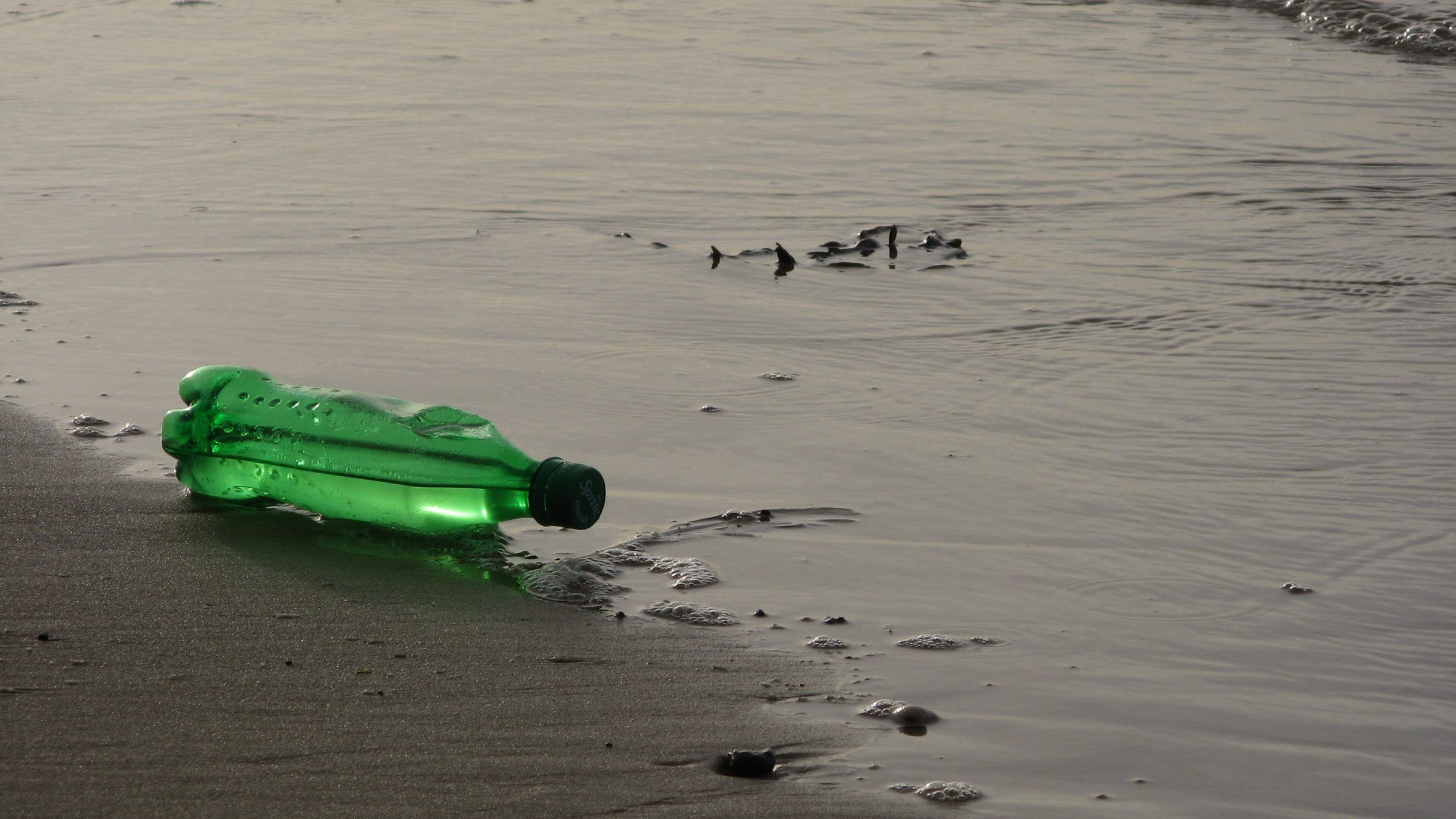
Bisphenol A is the chemical that taught a generation of shoppers to read the bottom of a water bottle. It’s also the reason “BPA-free” became one of the most successful marketing phrases of the century, a label that tells you which bisphenol isn’t in the product and nothing about which one is.
This is the reference page for the whole family: what BPA is, where it still turns up, what the evidence says about harm and how strong that evidence is, why Europe banned it from food packaging while the FDA still calls it safe, and what you can do about it. We’ve covered the kitchen side elsewhere. For heating food in plastic, see our microwave explainer. For teethers and toys, see our toys guide. For what the “BPA-free” label does and doesn’t tell you on a shelf, see our labels guide.
What bisphenols are
A bisphenol is two phenol rings joined by a single bridging atom. The EU’s 2024 food-contact regulation uses exactly that structural definition, which matters because it lets regulators catch the whole family instead of playing whack-a-mole one molecule at a time.
The family members you’ll hear about:
- BPA (bisphenol A) is the original and by far the most studied. It’s the building block of polycarbonate, the hard, clear, shatter-resistant plastic, and of epoxy resins, which line the inside of food and drink cans. The FDA says BPA has been used in food packaging since the 1960s.
- BPS (bisphenol S) became the main replacement, particularly in thermal receipt paper. The EU now classifies it as toxic to reproduction.
- BPF (bisphenol F) is the other main substitute. Both BPS and BPF are replacing BPA in polycarbonates and epoxy resins.
All three behave like weak hormones in the body, mainly mimicking oestrogen. That’s the core of the concern: the endocrine system runs on tiny amounts of signalling molecules, so a chemical that imitates them doesn’t need to be present in large quantities to matter. Whether it matters at the doses people actually get is the fight this whole page is about.
Where you meet them
Food and drink cans
Can linings are the biggest dietary source for most people. Epoxy coatings stop food from reacting with the metal, and BPA was their standard ingredient for decades. The best illustration is a small 2011 Harvard trial. Seventy-five volunteers ate a 12-ounce serving of soup every day for five days, either fresh or canned, then swapped. After the canned week, their urinary BPA was on average 1,221% higher than after the fresh week: a geometric mean of 20.8 µg/L versus 1.1 µg/L. That was one soup brand and one group of students and staff, and the authors call it a transient peak of unknown duration. But the size of the jump, from a single serving a day, is hard to ignore.
Polycarbonate
Hard, clear, rigid plastic: old reusable water bottles, some food storage containers, water cooler jugs, some kitchen appliance parts. Heat and age drive BPA out. Boiling water increased BPA release from polycarbonate bottles by up to 55-fold, and baby bottles put through the dishwasher 51 times released 8.4 µg/L of BPA in hot water, against 0.23 µg/L from new ones. The FDA notes that a resin code 7 “may” indicate a BPA-containing plastic. Code 7 means “other”, so it’s a hint, not a test.
Thermal receipts
This is the one most people don’t know about. Thermal paper uses a developer chemical that darkens with heat, and for years that developer was free BPA sitting on the surface of the paper, at around 20 mg per gram of paper. Free BPA is not locked into a polymer: it rubs off on your fingers.
In a 2014 pilot study, 24 volunteers handled receipts continuously for two hours. Their urinary BPA rose from a geometric mean of 1.8 µg/L to 5.8 µg/L. When 12 of them repeated it wearing nitrile gloves, there was no significant increase. A separate experiment found that using hand sanitizer before holding a receipt, then eating French fries with the same hands, produced a rapid spike in active BPA in the blood, because some sanitizer ingredients help chemicals cross the skin. Both are small experiments, and cashiers handling receipts all day are the people they most concern.
The EU banned BPA in thermal paper at 0.02% or more after 2 January 2020, explicitly to protect the unborn children of pregnant cashiers and shoppers. What replaced it is the textbook case of regrettable substitution: a US study of 111 receipts found BPS in every one, with BPS levels high where BPA levels were low. Manufacturers had simply swapped one bisphenol for another. We couldn’t find a US federal limit on bisphenols in receipt paper.
Everything else
BPS has also been found on banknotes and in other paper products, at far lower levels than in receipts. For most people, though, diet and receipts are the routes that matter and the ones you can do something about.
How much is in us
Almost everyone in the US has it. When the CDC first measured BPA in a national sample, in the 2003–04 National Health and Nutrition Examination Survey (NHANES), it was in the urine of 92.6% of 2,517 people aged six and over. Children had higher levels than adolescents, who had higher levels than adults.
A decade later, BPA was still in 95.7% of samples in NHANES 2013–14, and the replacements had arrived: BPS was in 89.4% and BPF in 66.5%. Median BPA levels were still higher, at 1.24 µg/L in adults against roughly 0.35 µg/L for each substitute. BPS isn’t just an American story either: an eight-country study found it in 81% of urine samples, with the highest levels in Japan.
Two things to keep in mind when reading these numbers.
First, BPA leaves the body fast. When volunteers swallowed a labelled dose, its half-life was about six hours, and most of it was excreted within a day. Near-universal detection means near-continuous exposure, not accumulation. It also means a single urine sample is a snapshot of the last day, which makes life hard for epidemiologists (more on that below).
Second, the body quickly converts swallowed BPA to an inactive form: in that same study, active BPA was less than 1% of the total in blood. The FDA leans heavily on this. Critics point out that BPA absorbed through the skin or the lining of the mouth skips that first pass through the liver, which is part of why the receipt studies matter.
What the evidence says about harm
Here’s where it gets contested, so we’ve sorted it by the kind of evidence.
Human studies: consistent associations, no proof of cause
There is a large body of observational research linking higher BPA levels to worse health outcomes. Some of the better-known examples:
- Heart disease and diabetes. A 2008 analysis of 1,455 US adults found each standard-deviation increase in urinary BPA was linked to 39% higher odds of a cardiovascular diagnosis and of diabetes. It was cross-sectional: BPA and disease were measured at the same moment, so it can’t show which came first. People who are ill may eat differently, for example.
- Diabetes, measured forward in time. A French cohort that followed 755 people for nine years, measuring BPA and BPS up to twice, found BPS detection was linked to nearly three times the risk of developing type 2 diabetes (hazard ratio 2.81). For BPA the pattern was messier: higher risk in the middle exposure groups, but not a significant increase in the highest. The authors say the results need confirming.
- Child behaviour. In a Cincinnati birth cohort of 244 mothers and children, higher BPA in pregnancy was associated with more anxious and depressed behaviour and poorer emotional control at age three, mostly in girls. BPA measured in the children themselves showed largely no association.
Why doesn’t this settle it? Because of that six-hour half-life. A single urine sample captures yesterday’s lunch, not years of exposure, so studies can misclassify people in either direction. And a public dataset like NHANES lets researchers test BPA against hundreds of outcomes, which guarantees some false positives. The honest summary: the human associations are numerous and point the same way often enough to take seriously, but no human study has shown BPA causes a specific disease. EFSA itself used human studies only as “support” for findings from animals.
Animal studies: where the real fight is
Most of the case against BPA rests on animal studies, many showing effects on reproduction, metabolism, the brain and the immune system at low doses. The industry and some regulators have long countered that these were small academic studies that didn’t follow standardised testing guidelines.
CLARITY-BPA was supposed to end that argument. Run by the US National Toxicology Program, NIEHS and the FDA, it paired a large, guideline-compliant two-year rat study, the “core study”, run at the FDA’s own lab, with experiments by university teams using animals dosed at the same FDA facility under identical conditions, with the researchers blinded to the doses. Doses ranged from 2.5 to 25,000 micrograms per kilogram of body weight a day.
It didn’t end the argument. It split it in two:
- The FDA’s core study found no BPA-related effects in its main measurements. It saw possible effects on the female reproductive tract and male pituitary only at the highest dose, and judged most other lesions inconsistent with a BPA effect.
- The academic teams, looking at more sensitive and specific endpoints in the same animals, reported adverse effects in the brain, prostate, urinary tract, ovary, mammary gland and heart, many at the lowest dose tested, with responses that didn’t rise neatly with dose. Some of those scientists also argued the FDA team had dismissed statistically significant findings by comparing them with control data from older studies.
Each side reads CLARITY as vindication. The underlying disagreement is about method: whether the standard regulatory tests are capable of detecting the hormone-like effects academics look for. The FDA’s public Q&A still says the agency is reviewing the “newly released draft” CLARITY report, on a page last updated in February 2018.
Lab studies: why “BPA-free” isn’t the fix
For the substitutes, most evidence is from cells and animals. A 2015 systematic review of 32 studies found BPS and BPF had hormonal potency in the same order of magnitude as BPA, and concluded they are “as hormonally active as BPA”. Most of those studies were cell experiments, and the reviewers worked for an advocacy-oriented nonprofit focused on endocrine disruptors. In zebrafish embryos, very low doses of BPA and BPS increased the birth of new neurons in a brain region linked to hyperactivity by 180% and 240%, and the exposed fish were later hyperactive. Fish embryos aren’t children. But nothing in the evidence suggests the substitutes are safer, and the EU now formally classifies BPS as a reproductive toxicant.
That’s regrettable substitution: removing one chemical under public pressure and replacing it with a close relative that has had far less testing. It’s why the label “BPA-free” tells you so little.
How it’s regulated
European Union: from a 20,000-fold cut to a ban
In 2023 the European Food Safety Authority (EFSA) published a new tolerable daily intake (TDI) for BPA of 0.2 nanograms per kilogram of body weight per day. That’s 20,000 times lower than its 2015 temporary limit of 4 micrograms per kilogram. Its critical finding was an increase in Th17 cells, a type of immune cell involved in inflammation and autoimmunity, in mice exposed in the womb and while nursing. EFSA concluded that both average and high consumers in every age group exceed the new limit by two to three orders of magnitude, and that there is a health concern.
Not every European regulator agreed. Germany’s Federal Institute for Risk Assessment (BfR) reviewed more than 600 studies and proposed a TDI of 200 ng/kg, 1,000 times higher than EFSA’s. The BfR says it’s not clear that the Th17 change harms the animal, notes the mice showed no signs of an adverse effect, and questions whether the finding applies to people. Even the BfR’s limit, though, is 20 times stricter than EFSA’s old one.
The European Commission went with EFSA. Regulation (EU) 2024/3190, adopted on 19 December 2024 and published on 31 December 2024:
- Bans BPA in the manufacture of food-contact plastics, varnishes and coatings (including can linings), printing inks, adhesives, rubbers, silicones and ion-exchange resins.
- Bans other hazardous bisphenols (those with an EU classification as carcinogenic, mutagenic, toxic to reproduction or endocrine-disrupting) unless specifically authorised, and removes BPS from the list of substances approved for plastic food-contact materials.
- Requires no residual BPA in materials made with other bisphenols.
- Keeps two narrow exemptions: BPA-based epoxy coatings for containers holding more than 1,000 litres, and polysulfone filter membranes, both only where migration into food is undetectable.
The transition periods are what you need to know as a shopper:
| What | Deadline |
|---|---|
| Most single-use packaging (including most cans) and new repeat-use items | Could be placed on the market until 20 July 2026 |
| Single-use packaging for preserved fruit, vegetables and fish; cans coated with BPA only on the outside | 20 January 2028 |
| Professional food production equipment | 20 January 2028 |
| Single-use packaging made before the deadline | 12 more months to be filled and sealed; the food can then be sold until stocks run out |
| Repeat-use items already on the market | Must be gone by 20 January 2029 |
So as of today, most new BPA food packaging can no longer be placed on the EU market, but you may still meet BPA-lined cans of preserved fruit, vegetables and fish for a couple of years, and older stock beyond that.
The EU had already acted on receipts (from 2020, above) and tightened BPA limits in toys.
United States: “safe at current levels”
The FDA’s position is that BPA is safe at the current levels occurring in foods. That rests mainly on a review of more than 300 studies completed in 2014, covering research published up to July 2013, plus the FDA’s own rodent work.
The FDA did remove BPA from baby bottles and sippy cups in 2012, and from infant formula can linings in 2013. But read the fine print: both were done because petitioners (the American Chemistry Council, then Congressman Ed Markey) showed industry had already abandoned those uses. The FDA states plainly that an abandonment ruling “is not based on safety”. The baby bottle “ban” is a record of what the market had already done under consumer pressure.
In 2022 a coalition including the Environmental Defense Fund, the Endocrine Society, Consumer Reports and the Environmental Working Group petitioned the FDA to remove or restrict BPA’s authorisations. The FDA announced in July 2022 that it had filed the petition. Its BPA page says it is “currently reviewing” it. We found no decision. An earlier petition, from the Natural Resources Defense Council in 2008, took until 2012 to be denied.
Elsewhere
Canada lists polycarbonate baby bottles containing BPA among products banned outright under its Consumer Product Safety Act. Several US states and other countries have their own rules on bisphenols in children’s products and packaging; we haven’t covered them here.
How to cut your exposure, ranked by evidence
Since BPA clears the body within a day or so, cutting exposure works quickly. Here’s what we’d prioritise.
- Eat less from cans, especially if you eat canned food daily (strongest evidence). The canned-soup trial is the cleanest human evidence for any single source. Choose fresh, frozen, dried, or food in glass jars. Dried beans and lentils are cheap and keep forever. In the EU, new cans should now be BPA-free (cans made earlier could still be filled until July 2027 and sold until stocks run out), but “BPA-free” linings may use other chemicals, and cans of preserved fruit, veg and fish have until 2028.
- Decline receipts, or at least don’t handle them with damp, lotioned or sanitised hands (good evidence). Gloves stopped the rise in urinary BPA in the receipt study, and sanitizer made absorption worse. Say no to the paper copy when you can, don’t let kids play with receipts, and wash your hands before eating after handling them. If you handle receipts all day at work, this is the one to take most seriously.
- Don’t heat food or drink in hard, clear plastic (good evidence for release; health effects unproven). Heat and wear multiply BPA release from polycarbonate. Retire old cloudy or scratched polycarbonate bottles and containers. Microwave in glass or ceramic. Our microwave explainer has the detail.
- Eat more fresh food overall (moderate evidence). When 20 people switched to fresh food stored in glass for three days, their BPA levels fell 66%. The study was tiny and changed many things at once, and some co-authors were from an advocacy group, but it fits the canned-soup result.
- Don’t treat “BPA-free” as a safety claim (precaution). It means one bisphenol is absent. Prefer glass, stainless steel and ceramic for anything hot, fatty or acidic, or for long storage. See our labels guide.
What you can’t do alone is fix the food supply, packaging lines and the paper at the till. The EU’s ban is the clearest demonstration that BPA exposure is a regulatory choice. In the US, that choice is sitting in an FDA inbox.
What we still don’t know
- Whether current exposures cause disease in people. The human evidence is observational and hampered by BPA’s short half-life. Long-running studies with repeated measurements are rare.
- Who’s right about the TDI. EFSA and the BfR looked at the same evidence and ended up 1,000-fold apart. Much of that turns on whether a change in immune cells in healthy mice counts as harm.
- How safe the replacements are. BPS and BPF have far less data than BPA, and newer alternatives in can linings and receipts even less. The EU’s group approach to “hazardous bisphenols” only catches substances once they’ve been formally classified.
- How much the EU ban lowers exposure. It’s too early for biomonitoring data to show the effect of the 2026 deadline. Watch for it: if European urine levels drop, that’s the best evidence yet of what regulation can do.
- Whether the FDA will act on the 2022 petition, and on what evidence.
Sources
- Calafat AM, Ye X, Wong LY, Reidy JA, Needham LL (2008). Exposure of the U.S. population to bisphenol A and 4-tertiary-octylphenol: 2003-2004. Environmental Health Perspectives.
- Lehmler HJ, Liu B, Gadogbe M, Bao W (2018). Exposure to Bisphenol A, Bisphenol F, and Bisphenol S in U.S. Adults and Children: The National Health and Nutrition Examination Survey 2013-2014. ACS Omega.
- Liao C, Liu F, Alomirah H, et al., Kannan K (2012). Bisphenol S in urine from the United States and seven Asian countries: occurrence and human exposures. Environmental Science & Technology.
- Liao C, Liu F, Kannan K (2012). Bisphenol S, a new bisphenol analogue, in paper products and currency bills and its association with bisphenol A residues. Environmental Science & Technology.
- Carwile JL, Ye X, Zhou X, Calafat AM, Michels KB (2011). Canned soup consumption and urinary bisphenol A: a randomized crossover trial. JAMA.
- Ehrlich S, Calafat AM, Humblet O, Smith T, Hauser R (2014). Handling of thermal receipts as a source of exposure to bisphenol A. JAMA.
- Hormann AM, vom Saal FS, Nagel SC, et al., Taylor JA (2014). Holding thermal receipt paper and eating food after using hand sanitizer results in high serum bioactive and urine total levels of bisphenol A (BPA). PLOS ONE.
- Thayer KA, Doerge DR, Hunt D, et al., Birnbaum LS (2015). Pharmacokinetics of bisphenol A in humans following a single oral administration. Environment International.
- Lang IA, Galloway TS, Scarlett A, Henley WE, Depledge M, Wallace RB, Melzer D (2008). Association of urinary bisphenol A concentration with medical disorders and laboratory abnormalities in adults. JAMA. Our summary
- Braun JM, Kalkbrenner AE, Calafat AM, Yolton K, Ye X, Dietrich KN, Lanphear BP (2011). Impact of early-life bisphenol A exposure on behavior and executive function in children. Pediatrics.
- Rancière F, Botton J, Slama R, et al. (2019). Exposure to Bisphenol A and Bisphenol S and Incident Type 2 Diabetes: A Case-Cohort Study in the French Cohort D.E.S.I.R.. Environmental Health Perspectives.
- Rochester JR, Bolden AL (2015). Bisphenol S and F: a systematic review and comparison of the hormonal activity of bisphenol A substitutes. Environmental Health Perspectives.
- Kinch CD, Ibhazehiebo K, Jeong JH, Habibi HR, Kurrasch DM (2015). Low-dose exposure to bisphenol A and replacement bisphenol S induces precocious hypothalamic neurogenesis in embryonic zebrafish. PNAS.
- Camacho L, Lewis SM, Vanlandingham MM, et al. (2019). A two-year toxicology study of bisphenol A (BPA) in Sprague-Dawley rats: CLARITY-BPA core study results. Food and Chemical Toxicology.
- Heindel JJ, Belcher S, Flaws JA, et al., Zoeller RT (2020). Data integration, analysis, and interpretation of eight academic CLARITY-BPA studies. Reproductive Toxicology.
- Vandenberg LN, Prins GS, Patisaul HB, Zoeller RT (2020). The Use and Misuse of Historical Controls in Regulatory Toxicology: Lessons from the CLARITY-BPA Study. Endocrinology.
- National Toxicology Program (NIEHS) (2021). CLARITY-BPA Program. NTP, National Institute of Environmental Health Sciences.
- EFSA Panel on Food Contact Materials, Enzymes and Processing Aids (CEP) (2023). Re-evaluation of the risks to public health related to the presence of bisphenol A (BPA) in foodstuffs. EFSA Journal.
- German Federal Institute for Risk Assessment (BfR) (2023). Bisphenol A in everyday products: answers to frequently asked questions. BfR.
- European Commission (2024). Commission Regulation (EU) 2024/3190 on the use of bisphenol A (BPA) and other bisphenols and bisphenol derivatives with harmonised classification for specific hazardous properties in certain materials and articles intended to come into contact with food. Official Journal of the European Union, L series, 31 December 2024.
- European Commission (2016). Commission Regulation (EU) 2016/2235 amending Annex XVII to REACH as regards bisphenol A. Official Journal of the European Union, L 337.
- U.S. Food and Drug Administration (2023). Bisphenol A (BPA): Use in Food Contact Application. FDA (Information for Consumers).
- U.S. Food and Drug Administration (2023). Bisphenol A (BPA). FDA (Information for Consumers).
- U.S. Food and Drug Administration (2018). Questions & Answers on Bisphenol A (BPA) Use in Food Contact Applications. FDA.
- U.S. Food and Drug Administration (Federal Register) (2022). Environmental Defense Fund et al.; Filing of Food Additive Petition. Federal Register, 11 July 2022.
- Government of Canada (2010). Canada Consumer Product Safety Act (S.C. 2010, c. 21), Schedule 2. Justice Laws Website.
- Rudel RA, Gray JM, Engel CL, Rawsthorne TW, Dodson RE, Ackerman JM, Rizzo J, Nudelman JL, Brody JG (2011). Food packaging and bisphenol A and bis(2-ethylhexyl) phthalate exposure: findings from a dietary intervention. Environmental Health Perspectives.
- Brede C, Fjeldal P, Skjevrak I, Herikstad H (2003). Increased migration levels of bisphenol A from polycarbonate baby bottles after dishwashing, boiling and brushing. Food Additives and Contaminants.
- Le HH, Carlson EM, Chua JP, Belcher SM (2008). Bisphenol A is released from polycarbonate drinking bottles and mimics the neurotoxic actions of estrogen in developing cerebellar neurons. Toxicology Letters.
Spotted an error? Tell us and we'll correct it and note the change.