Non-toxic bakeware: sheet pans, muffin tins, silicone moulds and glass
Most bakeware is metal with a coating nobody names, silicone, glass or glazed stoneware. What each can put in your bake, what the evidence says, and what to look for.
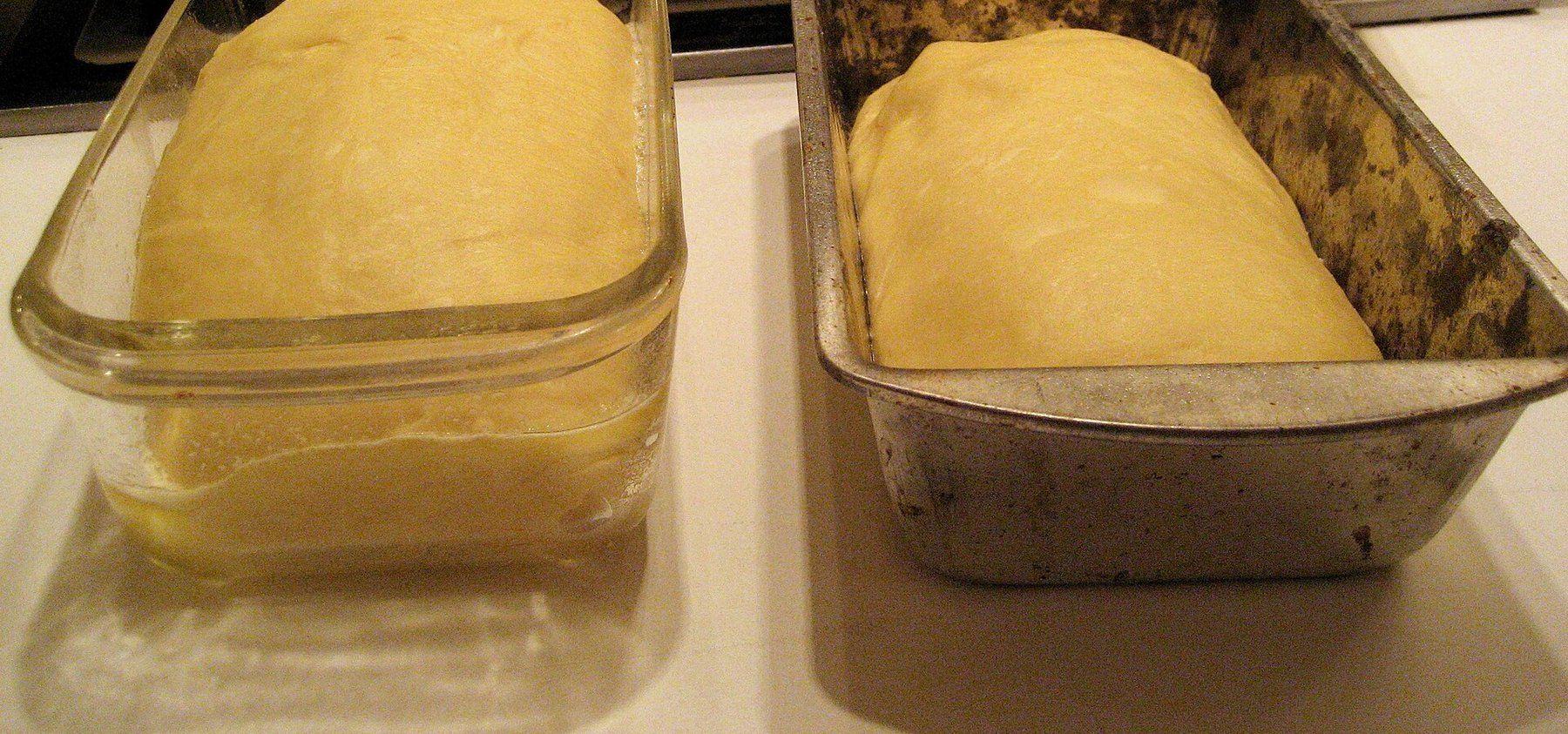
Baking feels like the wholesome end of the kitchen. Then you look at what the cake actually sits in: a steel tin with a dark coating the label calls “nonstick” and nothing else, a floppy silicone mould, or a glass dish whose type nobody mentions. Here’s what each of those can add to your bake, and how much we actually know.
For pans, pots and the full material-by-material table, see our cookware guide. This page sticks to the oven.
What bakeware is made of
- Coated metal. Many muffin tins, loaf tins, cake tins and sheet pans are steel or aluminium with a nonstick coating. That coating may be PTFE (Teflon), a “ceramic” sol-gel, or something the maker just calls “nonstick”.
- Bare metal. Uncoated aluminium sheet pans, stainless steel trays, and seasoned carbon steel or cast iron.
- Silicone. Moulds, muffin cups and baking mats.
- Glass, stoneware and enamel. Pie dishes, casseroles, loaf dishes and roasting pans.
Sheet pans and baking trays
Bare aluminium is the classic restaurant sheet pan. It’s fine for most baking, but aluminium dissolves into acidic and salty food. Germany’s risk agency, the BfR, advises against using uncoated aluminium for acidic or salty foods, and specifically says lye-dipped dough (pretzels and lye rolls) shouldn’t be baked directly on aluminium trays. Roasting tomatoes, rhubarb or a salted, marinated anything? Use a liner, or a steel or glass dish. Our cookware guide has the numbers on aluminium and acid.
Stainless steel trays have no coating. Stainless releases a little nickel and chromium into acidic food, mostly when new; our stainless guide explains who should care (mainly people with nickel allergy).
Carbon steel and cast iron bake well once seasoned, the seasoning being baked-on oil. They add some iron to food. We found no studies of carbon steel bakeware specifically.
Coated sheet pans are covered in the next section, because the questions are the same as for tins.
Muffin tins, loaf tins and cake tins
Most of these are coated, and most labels say “nonstick” without saying what the coating is. That matters, because the two common types behave differently.
If it’s PTFE, the reassuring part is the oven. PTFE starts to break down at around 360 °C, and the BfR’s warning about overheating centres on empty pans on fast hobs; it says conventional ovens top out at around 250 °C, far below that. So the fume risk that dominates frying pan advice mostly doesn’t apply to a muffin tin in a home oven. The less reassuring part is wear. Scratched PTFE sheds particles: researchers estimated thousands to millions from a scratched pan during simulated cooking. Nobody has measured that from bakeware, and nobody has shown swallowed PTFE harms people. The FDA’s model Food Code for restaurants says PTFE-coated kitchenware, “cookie sheets” included, should be used only with non-scratching utensils, though its explanatory annex frames that as protecting the finish and says the FDA doesn’t consider chipped particles a health hazard. Either way: no knives in the tin, no metal scourers.
If it’s “ceramic”, it avoids fluoropolymers, which is good for the factory and the landfill. It’s less studied, not proven safer: in one study of commercial pan coatings of this kind, scratch tests released titanium-containing nanoparticles.
If the label doesn’t say, ask the maker. Under our standard, PTFE and other PFAS coatings are out, and so is any coating the maker won’t name. We also treat ceramic nonstick as a nonstick coating, so it doesn’t pass either. Our nonstick guide explains PTFE, “PFOA-free” labels and the ceramic alternatives in depth.
Uncoated tins exist, in tinplate, aluminium, stainless and carbon steel. They need greasing or lining, which is the trade.
Silicone moulds and baking mats
Silicone isn’t a conventional plastic (its backbone is silicon and oxygen), but it isn’t inert. Cured silicone contains leftover ring-shaped siloxanes, and heat plus fat moves them into food. In baking tests, meat loaf baked in a silicone mould picked up up to 177 mg/kg, about three times the 60 mg/kg overall limit the EU uses for plastics, while milk-based foods picked up almost none. A factory heat treatment called post-curing makes a big difference: in one 2025 study it cut the smaller siloxanes moving into shortcrust pastry from 153 to 9.5 mg/kg. But you can’t tell from the shelf whether a mould was post-cured, and a 2022 European consumer test rated 10 of 44 moulds red (not peer-reviewed).
Whether those amounts harm anyone is unknown. Our standard doesn’t accept silicone for baking or cooking for that reason. If you already own silicone moulds, use them for lean batters rather than fatty bakes, stay within the maker’s temperature limit, and expect migration to fall with long use (the explainer below has the studies). Our silicone explainer has the full evidence, including what “platinum-cured” and “food-grade” do and don’t mean.
Glass and stoneware bakers
Glass is as inert as bakeware gets. The risk is shattering. Most US glass bakeware is soda-lime glass, and one engineering analysis put the sudden temperature change it can survive at about 55 °C, against about 183 °C for borosilicate. Don’t put a hot glass dish on a wet or cold counter, add cold liquid to a hot dish, or move frozen food straight into a hot oven, unless the maker says the glass is borosilicate and can take it. Our glass and ceramic guide explains the Pyrex name change.
Glazed stoneware and ceramic bakers are only as safe as their glaze. Lead in a badly fired glaze can leach into food, and the FDA warns that “no amount of washing, boiling, or other process can remove lead from pottery”. Factory stoneware from a maker that publishes lead and cadmium compliance is low risk. Antique, handmade-abroad or street-market pieces are the ones to keep for decoration. Our standard requires a published lead and cadmium statement for glazed ceramic. For unglazed baking stones it says nothing yet; we’d ask the maker anyway.
Enamelled steel
Enamel is glass fused onto steel or iron: think speckled roasting pans and pie dishes. It doesn’t react with acidic food, which makes it good for fruit pies and tomato bakes. Its question, like a glaze’s, is lead and cadmium. We found no study of enamelled bakeware, so we can’t say how often it releases either. Look for a published lead and cadmium statement, which our standard requires, and retire pieces whose enamel is chipped where food sits.
Parchment and foil, briefly
Lining a tray avoids most contact with the tin, which helps with bare aluminium and worn coatings. Liners have their own questions, which we’ll cover in a separate article. In short: in an Italian lab study, baking paper released small amounts of PFAS into an acidic test liquid (1.43 to 13.87 ng per square decimetre). And aluminium foil, like a bare aluminium tray, shouldn’t wrap acidic or salty food, according to the BfR.
Bakeware and the PFAS cookware bans
State bans on PFAS cookware cover bakeware too. As of November 2026, Minnesota’s law, in force since 1 January 2025, defines cookware to include baking sheets, baking molds and trays, and Maine’s, in force since 1 January 2026, uses almost the same list. Our cookware guide and policy tracker have the other states.
What to do
This is our advice, based on the evidence above.
- Don’t scratch coated tins. No knives, forks or metal scourers on nonstick bakeware; replace it when the coating flakes.
- Keep acidic, salty and lye-dipped bakes off bare aluminium. Line the tray or use steel, glass or enamel.
- Skip silicone for fatty bakes. If you keep moulds, use them for lean batters and below the maker’s temperature limit.
- Treat glass gently. Avoid sudden temperature changes unless the maker confirms borosilicate.
- For stoneware and enamel, ask for a lead and cadmium statement. Keep old, handmade-abroad and street-market glazed pieces for decoration.
- For new bakeware, bare stainless, carbon steel, glass and certified enamel avoid unnamed coatings. Uncoated tins need greasing or lining.
- Don’t throw out working bakeware in a panic. An unscratched tin used at normal oven temperatures hasn’t been shown to harm anyone.
Where the evidence is thin
- No study we found of PTFE particles from bakeware specifically, or of what unnamed “nonstick” bakeware coatings release.
- No study of lead or cadmium from enamelled bakeware.
- No study of carbon steel bakeware.
- The silicone evidence is good on migration and thin on health effects.
- Leaching studies often use worst-case acid or fat; ordinary bakes usually release less.
Common questions
What is the safest bakeware?
Glass, stainless steel and seasoned carbon steel have no coating to wear off, and enamel and glazed stoneware are good choices when the maker publishes a lead and cadmium statement. Bare aluminium is fine for most baking, but not for acidic, salty or lye-dipped food.
Is nonstick bakeware safe at oven temperatures?
For PTFE, home ovens run well below the roughly 360 °C where it starts to break down, so fumes aren’t the main concern. Scratches are: they shed coating, so use non-metal tools and replace flaking tins.
Is silicone bakeware toxic?
Silicone releases leftover siloxanes into fatty food: up to 177 mg/kg in one meat loaf test. Nobody has shown that harms people, but it’s why our standard doesn’t accept silicone for baking. Lean batters pick up far less.
Can I bake directly on aluminium foil?
For most food, yes. Germany’s BfR advises against using foil for acidic or salty foods, such as tomatoes, rhubarb or salted fish, because they dissolve aluminium.
For how we judge products and claims, see our standards.
Sources
- German Federal Institute for Risk Assessment (BfR) (2025). Selected questions and answers on cookware, ovenware and frying pans with a non-stick coating made of PTFE. BfR FAQ, updated 2 July 2025.
- US Food and Drug Administration (2022). Food Code 2022. US Public Health Service / FDA model code (section 4-101.18).
- Luo Y, Gibson CT, Chuah C, Tang Y, Naidu R, Fang C (2022). Raman imaging for the identification of Teflon microplastics and nanoplastics released from non-stick cookware. Science of the Total Environment. Our summary
- Golja V, Dražić G, Lorenzetti M, Vidmar J, Ščančar J, Zalaznik M, Kalin M, Novak S (2017). Characterisation of food contact non-stick coatings containing TiO2 nanoparticles and study of their possible release into food. Food Additives & Contaminants: Part A.
- German Federal Institute for Risk Assessment (BfR) (2020). FAQs about aluminium in food and products intended for consumers. BfR FAQ, 20 July 2020.
- Helling R, Kutschbach K, Simat TJ (2010). Migration behaviour of silicone moulds in contact with different foodstuffs. Food Additives & Contaminants: Part A.
- Eckardt M, Seidel AK, Säger S, Simat TJ (2025). Migration of cyclic dimethyl siloxanes from silicone elastomers into food: determination of D4 to D25 via on-line coupled HPLC-GC-FID. Food Additives & Contaminants: Part A.
- BEUC (European Consumer Organisation) and nine member organisations, coordinated by ICRT (2022). Half baked: EU food packaging laws need a rethink to keep consumers safe. A consumer test of chemicals leaching from silicone bakeware. BEUC report BEUC-X-2022-122 (not peer-reviewed; amended February 2023).
- Bradt RC, Martens RL (2012). Shattering glass cookware. American Ceramic Society Bulletin 91(7):33–38.
- US Food and Drug Administration (2010). Questions and Answers on Lead-Glazed Traditional Pottery. FDA (content current as of 27 October 2017).
- Sonego E, Di Filippo P, Riccardi C, Pomata D, Bannò A, Simonetti G, Buiarelli F (2023). Occurrence and migration study of chemicals from baking paper and aluminium foil. Food Chemistry 409:135260.
- Minnesota Legislature (2026). Minn. Stat. § 116.943 Products containing PFAS. Minnesota Statutes (Office of the Revisor).
- Maine Legislature (2026). 38 MRSA §1614 Products containing perfluoroalkyl and polyfluoroalkyl substances. Maine Revised Statutes.
Spotted an error? Tell us and we'll correct it and note the change.