Plastic-free dental floss: silk, 'eco' fibres and what actually cleans between your teeth
Silk, nylon, 'plant-based' PLA, recycled polyester and Teflon: what floss is made of, the silk flosses we're checking, and why the tool you'll keep using matters more than the fibre.
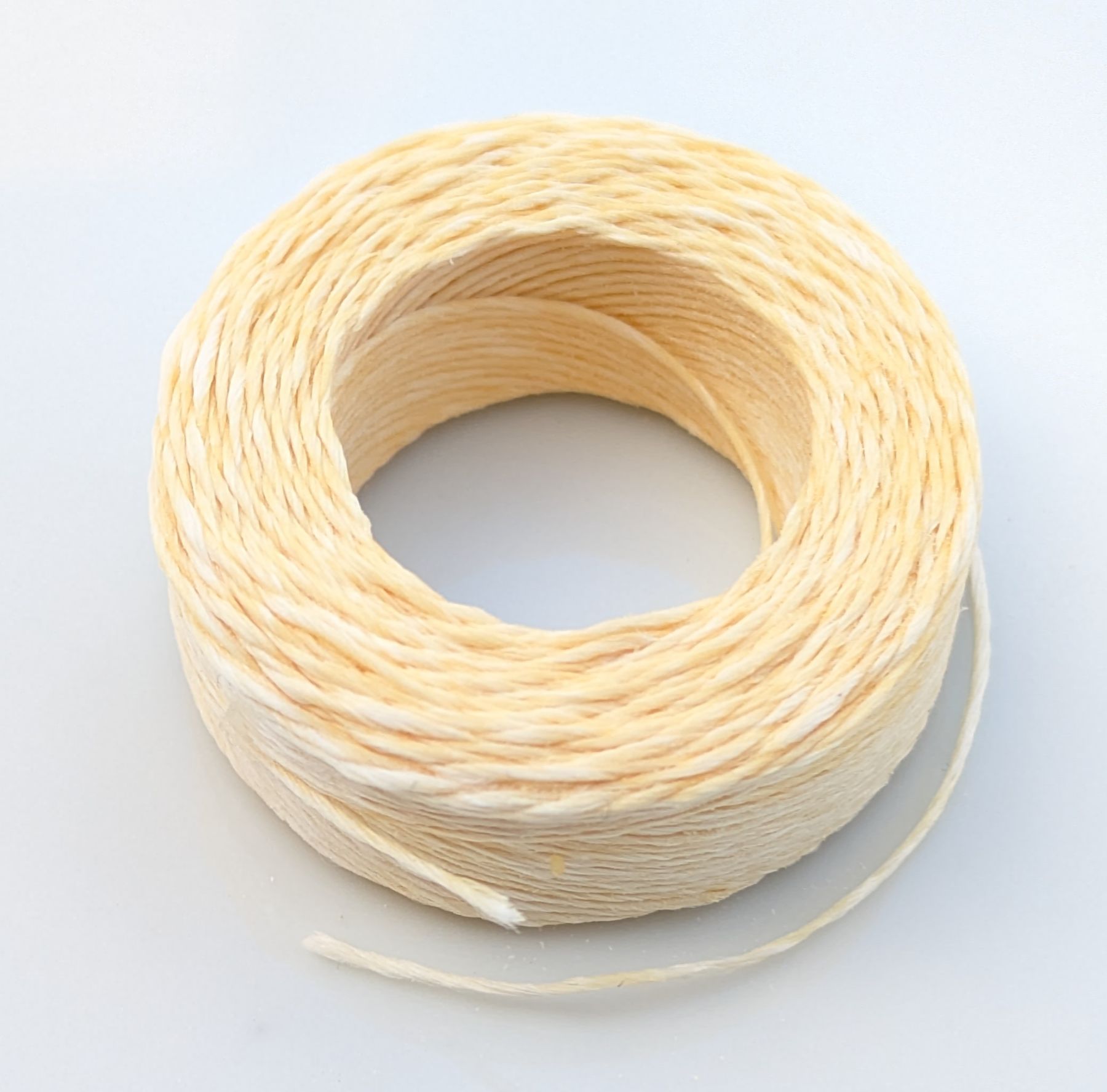
Floss is about the smallest plastic decision in your bathroom, and one of the few where a real plastic-free option exists: silk. The awkward part is that silk is also the floss users rated worst for comfort and fraying in the one study that tested it, and the tool with the best evidence for your gums, the interdental brush, has nylon bristles. This guide does both jobs: which floss to buy if you want it plastic-free, and how to pick a way of cleaning between your teeth that you’ll actually keep doing.
One rule first, the same as in our toothbrush guide: keep cleaning between your teeth. A 2026 life cycle study found that, for the average patient, dental treatment in a clinic has an environmental footprint about 2 to 4 times that of a home-care routine, and 10 times for patients with severe gum disease. The greenest floss is the one that keeps you out of the periodontist’s chair.
Silk flosses we’re checking
Silk is the only floss fibre that can meet the LPP standard. Of about two dozen floss brands we looked at, five sell silk floss to US buyers from a maker’s page we could read. None of them is confirmed yet.
The sticking point is the part you throw away. Under our single-use rule, updated on 16 November 2026, everything you discard has to be confirmed plastic-free: the floss, the spool core it’s wound on, and the packaging the refills come in. If you bin the whole carton, that includes the cutter. None of these five makers says on its own pages what every one of those parts is made of. Each card below says what’s still unconfirmed and shows only what the maker says, with no link to buy. Links appear only once a product passes.
Two others didn’t make the list. Georganics sells silk floss in a glass jar, but its shipping policy says it is no longer shipping to the US. Lucky Teeth and Zero Waste Store sell silk floss too, but we couldn’t find or read a maker’s own page for either, only retailer listings, so we couldn’t assess them.
Not yet confirmed
Natural Biodegradable Silk Floss
RADIUS
- In your mouth
- silk; Organic coconut oil and carnauba wax, per the maker.
- Packaging
- Eco-carton dispenser the maker calls "100% recyclable and plastic-free". Not refillable: you buy a new carton.
- Price
- $5 for 30 m at the maker (checked November 16, 2026)
Not confirmed yet: What the cutter and spool core are made of, and whether the carton has any plastic film, window or coating. We don't link it until that's confirmed.
Not yet confirmed
Silk Floss
Wellnesse
- In your mouth
- silk; Candelilla wax and peppermint essential oil, per the maker.
- Packaging
- "A small cardboard box that is 100% recyclable." Not refillable.
- Price
- $7 for about 30 m at the maker (checked November 16, 2026)
Not confirmed yet: What the cutter and spool core are made of, and written confirmation that the floss contains no PTFE or other PFAS. We don't link it until that's confirmed.
Not yet confirmed
Peppermint Mulberry Silk Dental Floss
etee
- In your mouth
- silk; Candelilla wax and natural peppermint flavouring, per the maker.
- Packaging
- Refills come in what the maker calls "100% biodegradable cornstarch baggies" inside boxes printed with soy-based inks. Cornstarch films are usually a bioplastic, so we record the bags as plastic until the maker says otherwise.
- Price
- $12 for a glass container and two 30 m spools; refills $10, at the maker (checked November 16, 2026)
Not confirmed yet: What the "cornstarch" refill bags are made of, what the spool core is, whether the lid has a liner, and whether the silk is really peace silk. We don't link it until that's confirmed.
Not yet confirmed
Refillable Silk Dental Floss
Dental Lace
- In your mouth
- silk; "Thinly coated with plant-based wax" and peppermint essential oil, per the maker; the wax isn't named.
- Packaging
- Recyclable paperboard box; spools inside a bag the maker calls compostable cellulose. Refills come in a paperboard box with the spools in a paper bag.
- Price
- $12 for a glass container and two 30-yard spools; refills $9, at the maker (checked November 16, 2026)
Not confirmed yet: Which plant wax coats the silk, what the spool core is made of, whether the cap has a liner, and whether the cellulose bag is uncoated. We don't link it until that's confirmed.
Not yet confirmed
Dental Floss
Public Goods
- In your mouth
- silk; Candelilla wax and peppermint oil, per the maker.
- Packaging
- Refill packaging isn't described on the maker's page.
- Price
- $9.95 at the maker; three refills $16.95 (checked November 16, 2026)
Not confirmed yet: What the lid, cutter and spool core are made of, how long each spool is, how refills are packed, and whether the floss is free of PTFE and other PFAS. We don't link it until that's confirmed.
Three things the cards don’t show. Silk is an animal fibre, so none of these is vegan. Wellnesse, etee and Public Goods make no PFAS or PTFE statement on the pages we read, and we’d want that in writing before listing any of them. And etee’s page says its floss comes in a glass jar with a steel lid, “NO PLASTIC”, while its refills come in “cornstarch baggies”. Cornstarch films are usually a bioplastic, so we’ve asked what they are. The same page says mulberry silk is “also known as Ahimsa Silk (or Peace Silk)” and that the silkworm can “turn into a moth and fly away before the cocoon is finally harvested”. The names aren’t interchangeable: mulberry silk is silk from the domesticated silkworm, the most important source of silk, while whether silk counts as peace silk depends on how the cocoons are harvested. So we’ve asked about that too.
What floss is made of
Silk
Silk floss is silk thread, usually coated in a plant wax such as candelilla or carnauba. It’s a protein made by silkworms, not a plastic. “Silky” or “silk-textured” floss is a description, not a material (more on that below).
Nylon
The classic floss fibre. The nylon floss in a 2023 comparison study was Oral-B Essential, coated in microcrystalline wax. Nylon made from castor oil instead of crude oil is still nylon: Georganics’ “Vegan Castor Oil Floss” is made from biobased PA1010, a polyamide. Our toothbrush guide explains why plant-based nylon is still a plastic.
Polyester and recycled polyester
Cocofloss says its floss is 85% recycled polyester from plastic water bottles. Dental Lace describes its charcoal floss as “bamboo charcoal-infused polyester floss” and says plainly that it is not biodegradable or compostable. Recycled polyester gives an old bottle a second life, but it’s still plastic, and this time it’s in your mouth.
PTFE
Some smooth, “shred-resistant” floss is made of PTFE, the polymer sold as Teflon and a member of the PFAS “forever chemicals” family. In the 2023 study it was the floss users liked most, which sums up the problem: the floss that feels best is made of a forever chemical. Whether PTFE floss adds to the PFAS in your blood is unclear. The evidence, the Glide story and Minnesota’s ban on PFAS floss are in our bathroom guide.
“Plant-based” PLA
PLA (polylactic acid) is a plastic made from plant sugars. Bite’s floss is “100% plant-based PLA and candelilla wax—and nothing more”, which is true and still means plastic floss. Credit to Dental Lace for saying it straight: its PLA floss “is a bio-plastic that is derived from plant instead of fossil fuels. It is biodegradable in specific conditions only.” Those conditions are usually an industrial composter, not your bin; see our guide to compostable and bioplastic claims.
“Bamboo” and “charcoal”
These words describe where something came from, or its colour, not what the thread is. Ecoroots says its floss is “made from bamboo fiber with activated charcoal”, but its ingredients tab also lists a “biodegradable polymer” it doesn’t name. A UK footprint study modelled bamboo floss as bamboo pulp spun into thread like cotton, but that was an assumption about how it’s made, not an analysis of what’s on sale. Unless the maker names every fibre, treat bamboo and charcoal floss as possibly plastic.
When the label and the floss disagree
Floss marketing has a vocabulary problem. These are the makers’ own words, from their own pages, as of 16 November 2026:
- Georganics Bionylon Floss is made from biobased PA1010, a nylon, yet the same page lists it as “synthetics-free”, and its web address ends in “plastic-free”.
- Seek Bamboo heads its refill page “Natural Silk” and lists “100% Plant-Based Vegan”. Silk comes from silkworms, so it can’t be both. Its FAQ then calls the floss “a fine, silk-textured thread”, which leaves us unsure what it’s made of. The same FAQ says “traditional floss is nylon coated in a synthetic PTFE plastic”; it isn’t, as a rule. PTFE floss is made of PTFE, and the nylon floss in the 2023 study was coated in microcrystalline wax.
- Ecoroots tells you to “say goodbye to plastic” with a floss whose ingredients include an unnamed “biodegradable polymer”.
- etee says “NO PLASTIC” and “long, strong and plastic free” on a floss whose refills come in cornstarch bags (see above).
- Wellnesse says in its FAQ that, unlike some nylon flosses, silk floss “is less likely to break”. In the one study that asked users, they rated silk more likely to snap than nylon (next section).
- Cocofloss, going the other way, says “silk and other natural materials lack the efficacy we require”. Nobody has run a trial of silk floss on gums, so there’s no evidence for that either way.
The fairest example on the shelf is RADIUS, whose own FAQ admits that silk “may feel slightly more delicate in tight spaces” and suggests using shorter lengths.
Does the type of floss matter for your gums?
As far as anyone can tell, not much. Three trials compared types of floss head to head. In 80 patients over eight weeks, waxed and unwaxed flosses from two brands showed no difference in plaque removal or gum inflammation between them. In 24 dental hygiene students, waxed, unwaxed, woven and shred-resistant flosses showed no significant differences in plaque removal. In 25 people, unwaxed, woven and shred-resistant floss showed no significant difference after a single use, and all beat brushing alone.
What’s missing matters more. No clinical trial has tested silk floss on plaque or gum health, and none we found clearly compared PTFE with nylon (the “shred-resistant” flosses above may have been PTFE, but the abstracts don’t say). So there’s no evidence that silk cleans worse, and none that it cleans as well.
Floss itself is less proven than you were told. The Cochrane review of home interdental cleaning found that flossing on top of brushing may reduce gum inflammation, on low-certainty evidence, with inconsistent results for plaque. Its authors add that the effect sizes “may not be clinically important”. An earlier overview of reviews put it more bluntly: most studies fail to demonstrate that flossing is generally effective in plaque removal. That isn’t a reason to stop cleaning between your teeth. It’s a reason to choose the tool carefully.
Silk floss in use: fraying and snapping
The only study we found that put silk floss in people’s mouths was small. Sixteen students in New Zealand each used four flosses (PTFE, nylon, a tough polyethylene and silk) for eight days. Compared with nylon, silk had “worse comfort” and “lower (worse) grip”, “higher ratings for fray” and “greater ratings for snap”. Participants thought silk “cleaned the worst between teeth and caused the most pain”, and it “scored the most unfavourably in all rating questions”. Under the microscope the silk was “more loosely wound”, with visible gaps in the thread.
Then the twist: silk still wasn’t the least liked overall. Nylon was. The authors suggest other things drive preference, and they measured perception only, not plaque.
So: one silk product, 16 people, eight days each. That’s not much. But it’s all there is. Nylon floss you’ll use beats silk floss you’ll abandon. If silk shreds on your tight back teeth and you start skipping them, you’ve saved a few metres of plastic and lost the cleaning.
Interdental brushes, wooden sticks and water flossers
Interdental brushes
These are the small bottle brushes that slide between teeth. They have the best evidence of any tool. The Cochrane review found interdental brushes may reduce gum inflammation more than floss at one and three months (low-certainty evidence; plaque results inconsistent). A network analysis of 22 trials gave interdental brushes a 64.7% probability of being the best at reducing gum inflammation, with floss near zero. A 2026 panel of nine European experts concluded that “in general, interdental brushes are the preferred option”, though that’s expert opinion, not a trial.
They aren’t plastic-free. Every wire interdental brush in the UK footprint study, bamboo included, had a head made from nylon and a steel wire (its single-use brush picks had synthetic rubber bristles on a plastic handle instead), and we haven’t found a wire brush without nylon. On footprint they do well: over five years of use, a bamboo-handled brush changed weekly came out at 1.31 kg CO₂e and a replaceable-head brush at 1.38, against 3.07 for regular floss. Our standard’s nylon exception covers toothbrush bristles only, so we can’t list an interdental brush as things stand. If your dentist or hygienist recommends them, use them: the evidence for your gums is better than for floss of any kind.
Wooden sticks
Wooden cleaning sticks are about as plastic-free as oral care gets, and the evidence is thin. In Cochrane, they may reduce gum bleeding at three months compared with brushing alone, on very-low-certainty evidence from one trial of 24 people, and showed no clear difference from floss. In the network analysis, toothpicks were the only aid that did no better than brushing alone. Rubber picks are an elastomer, so they’re plastic too.
Water flossers
Water flossers (oral irrigators) may reduce gum inflammation at one month but not at three or six, on very-low-certainty evidence; compared with floss, they may reduce gum inflammation at one month. In the network analysis they came second to interdental brushes. They are plastic, electrical devices, and we found no life cycle study of them: the UK footprint study left them out on the assumption that they’d have a greater impact than manual tools. The expert panel suggests them for people with limited dexterity. If that’s you, use one and keep it for years.
Floss picks
The little plastic forks are the worst option for the planet. In the UK study, floss picks had the largest footprint in 13 of 16 impact categories. Their climate impact over five years was 11.42 kg CO₂e, almost four times regular floss’s 3.07. The handle made up 49% of the picks’ carbon footprint, which the authors put down to “the sheer weight of plastic” a daily pick habit adds up to.
One correction to how that study is often quoted, including by us in the past: its text describes the floss on both regular floss and picks as nylon, but its supplementary calculations model the floss as polyethylene tape. Either way, plastic floss. The same calculations show where the plastic really is: over five years, the regular floss weighed about 0.09 kg and the polypropylene dispensers about 0.40 kg, more than four times as much. A refillable jar fixes the bigger problem even before you change the thread.
A reusable flosser handle exists in theory: LastObject’s LastFloss is pre-order only, with shipping estimated for January 2027. It isn’t shipping yet, so we can’t say anything about it.
Where the evidence is weak
- No clinical trial of silk floss on plaque or gum health.
- No trial comparing PTFE, nylon, polyester or other plastic flosses on gum health. The trials that compared floss types found no difference.
- No trial of “bamboo”, charcoal or PLA floss.
- One user study of silk floss: 16 people, one product, opinions only.
- No life cycle study of silk floss, water flossers or rubber picks.
- No study we could find on microplastics shed by floss or interdental brushes in use.
- The interdental-cleaning trials were short, many participants had healthy gums to start with, and none measured decay between the teeth.
The bottom line
- If you want plastic-free floss, it’s silk. We’re checking five; none is confirmed yet.
- “Plant-based”, “bamboo”, “charcoal” and “recycled” floss is usually plastic. Read for the fibre, not the adjective.
- The fibre doesn’t make a measurable difference to your gums. Using something every day does.
- Interdental brushes have the best evidence, and nylon bristles. Use them if they suit your teeth.
- Ditch floss picks. Then ditch the plastic dispenser: it outweighs the floss.
- Nylon floss you’ll use beats silk you’ll abandon.
Common questions
Is there a plastic-free dental floss?
Yes: silk floss, usually coated in a plant wax. Nylon, polyester, recycled polyester, PTFE and “plant-based” PLA flosses are all plastic, and “bamboo” or “charcoal” floss often doesn’t name every fibre. The spool core, cutter and refill bags can still be plastic, which is why none of the five silk flosses we’re checking is confirmed yet.
Is silk floss better for your gums than nylon?
There’s no evidence either way. No clinical trial has tested silk floss, and trials comparing other floss types found no difference in plaque or gum inflammation. In one small study of 16 people, users rated silk the most likely to fray and snap. Use whichever floss you’ll keep using.
Is “plant-based” or bamboo floss plastic-free?
Usually not. “Plant-based” floss is often PLA, a plastic made from plant sugars, and castor-oil floss is a nylon. Some “bamboo” floss lists an unnamed “biodegradable polymer” in its ingredients. Unless the maker names every fibre and none is a plastic, assume it is one.
Are interdental brushes better than floss?
Probably, for gum inflammation. A Cochrane review found interdental brushes may reduce gum inflammation more than floss, on low-certainty evidence. Wire interdental brushes have nylon bristles and rubber picks are plastic too, so they aren’t plastic-free; a bamboo handle with a brush changed weekly had one of the lowest footprints in a UK study.
Are floss picks bad for the environment?
Yes. In a UK study of eight tools, floss picks had the largest footprint in 13 of 16 categories, and almost four times the climate impact of regular floss over five years, mostly from the plastic handles.
Is silk floss vegan?
No. Silk is made by silkworms. Vegan floss is usually nylon, polyester or PLA, which are plastics.
For how we judge products and claims, see our standards.
Sources
- Worthington HV, MacDonald L, Poklepovic Pericic T, Sambunjak D, Johnson TM, Imai P, Clarkson JE (2019). Home use of interdental cleaning devices, in addition to toothbrushing, for preventing and controlling periodontal diseases and dental caries. Cochrane Database of Systematic Reviews.
- Kotsakis GA, Lian Q, Ioannou AL, Michalowicz BS, John MT, Chu H (2018). A network meta-analysis of interproximal oral hygiene methods in the reduction of clinical indices of inflammation. Journal of Periodontology.
- Sälzer S, Slot DE, Van der Weijden FA, Dörfer CE (2015). Efficacy of inter-dental mechanical plaque control in managing gingivitis: a meta-review. Journal of Clinical Periodontology.
- Thomassen TMJA, Slot DE, Graetz C, Discepoli N, Ehrenthal JC, Frese C, Tomás I, Dörfer CE, Van der Weijden FGA, Sälzer S (2026). The patient-centred interdental cleaning concept: consensus based on a round table. International Journal of Dental Hygiene.
- Lamberts DM, Wunderlich RC, Caffesse RG (1982). The effect of waxed and unwaxed dental floss on gingival health. Part I. Plaque removal and gingival response. Journal of Periodontology.
- Carr MP, Rice GL, Horton JE (2000). Evaluation of floss types for interproximal plaque removal. American Journal of Dentistry.
- Terézhalmy GT, Bartizek RD, Biesbrock AR (2008). Plaque-removal efficacy of four types of dental floss. Journal of Periodontology.
- Huang Z, Broadbent JM, Choi JJE (2023). Comparison of dental flosses: an investigation of subjective preference and mechanical properties. Biomaterial Investigations in Dentistry.
- Abed R, Ashley P, Duane B, Crotty J, Lyne A (2023). An environmental impact study of inter-dental cleaning aids. Journal of Clinical Periodontology.
- Duane B, Martin N, Mulligan S, Mackenzie L, Dewaele J, Wedel L (2026). Quantifying the environmental impact potential from periodontal health to disease: findings from a life cycle assessment study. Journal of Dentistry.
- Schmidt T, Puchalla N, Schendzielorz M, Kramell AE (2023). Degumming and characterization of Bombyx mori and non-mulberry silks from Saturniidae silkworms. Scientific Reports.
- Georganics (2026). Bionylon Floss – Spearmint. georganics.com product page.
- Georganics (2026). Shipping policy. georganics.com.
- Seek Bamboo (2026). Plastic-Free Silk Dental Floss Refills. seekbamboo.com product page.
- Cocofloss (Cocolab) (2026). Delightful Mint Cocofloss. cocolab.com product page.
- Ecoroots (2026). Zero Waste Floss. ecoroots.us product page.
- Bite (2026). Floss. bitetoothpastebits.com product page.
- LastObject (2026). LastFloss. lastobject.com product page.
Spotted an error? Tell us and we'll correct it and note the change.