Plastic in your coffee maker: pods, drip machines, espresso and kettles
Hot water runs through a lot of plastic before it reaches your mug. What the studies on pods, machines and kettles found, what they didn't, and what to buy instead.
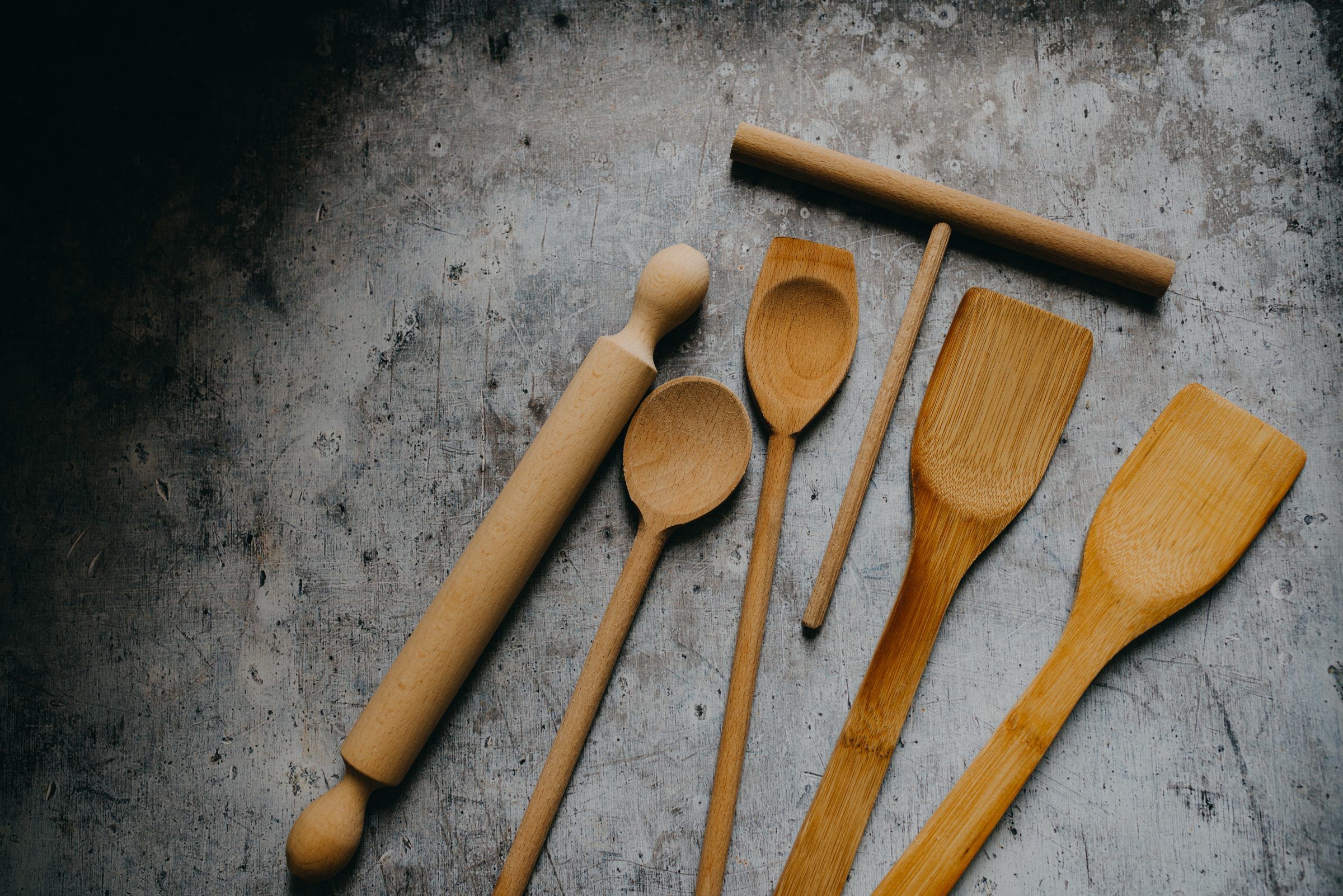
A coffee maker is a machine for pushing water at 90-odd degrees through a maze of parts, and in most kitchens a lot of those parts are plastic: the tank, the tubes, the basket, the pod, the lid of the kettle. If you’ve cut plastic out of your food storage and you’re still running boiling water through polypropylene every morning, this is the obvious next place to look.
The awkward part: for most coffee gear, nobody has done the study. Here’s what has been measured, what hasn’t, and why the plastic-free brewer isn’t automatically the healthiest one. For takeaway cups, lids and tea bags, see our guide to what hot drinks shed; this piece is about the equipment at home.
Why hot water and plastic are a bad combination
The general rule is well established: heat makes plastic shed more. When researchers soaked disposable cups, boxes and packaging in 100°C water for an hour, they counted 1 to 2 million submicron and micro particles per millilitre, mostly the very small ones. In polypropylene baby bottles, sterilising and using high-temperature water significantly increased release, with counts as high as 16.2 million particles per litre. We cover that research in our baby bottle explainer.
Polypropylene is also a common plastic in coffee makers, kettles and pods. So it’s reasonable to expect that hot water running through plastic coffee gear picks something up. Reasonable to expect isn’t the same as measured, though, and the gap is big.
Plastic kettles: one study, and some good news inside it
Only one peer-reviewed study we could find looked directly at plastic electric kettles. The same Dublin group behind the baby bottle work ran plastic kettles for 100 days and found they released microplastics, but that common tap-water minerals changed the picture. After 40 days, every ion they tested (calcium and bicarbonate, as in hard water, plus copper and iron) cut release by more than 89% compared with ultra-pure lab water. The minerals form a thin film on the plastic, the same scale you see in a hard-water kettle, and that film acts as a barrier. The researchers found similar films forming naturally in kettles in everyday use.
So the brand-new plastic kettle is likely the worst version, and an old, scaled one sheds much less. That also means descaling it to a gleaming finish strips the barrier off again. The study’s abstract doesn’t give absolute particle counts, so we can’t tell you how much a kettle sheds into a cup, only that the trend is real and minerals blunt it.
What about the metal inside a kettle? Heating elements and steel are not risk-free, but the problem is old and mostly regulated. In a Danish survey published in 2000, 10 of 26 kettles released more than 50 micrograms of nickel per litre, a level chosen to protect people with nickel allergy. Makers changed their designs after talks with regulators, and the two that still failed were withdrawn. When German federal risk assessors tested 11 kettles in 2015, they found only a low release of the metals analysed.
What to look for in a kettle
“Stainless steel kettle” on the box doesn’t mean no plastic touches the water. Check:
- The inside of the lid. Many steel kettles have a plastic lid whose underside sits in the steam. Our standard counts that as plastic in contact with hot liquid.
- The water-level window. It’s often a plastic strip with boiling water behind it.
- The spout filter. Often a plastic-framed mesh rather than steel.
- Seals. A silicone ring around the lid is common. That’s a small seal touching hot water; it isn’t plastic-free, but it’s a much smaller surface than a plastic body.
- Glass kettles. The jug is glass, but the lid, base and seals often aren’t.
A stovetop kettle in stainless steel or enamelled steel avoids nearly all of this. If you go electric, look for one where the interior, lid underside and level indicator are metal or glass. Plastic on the outside handle is a different matter: there’s no evidence that briefly holding rigid plastic transfers anything meaningful.
Drip machines: the study nobody has done
This is the biggest gap. A standard drip coffee maker heats water in a plastic reservoir, pushes it through plastic tubing, sprays it into a plastic basket and often drips it into a carafe with a plastic lid. We searched for a peer-reviewed study measuring microplastics or chemical migration from drip coffee machine parts and found none.
The nearest evidence is circumstantial. An Italian team measured the phthalate DEHP in coffee made different ways and found higher levels from professional espresso machines (median 6.65) than from moka pots (0.78) or home espresso machines (0.83). The authors suggest the extra DEHP leached from machine components, and all levels stayed below legal migration limits. That’s a hint that machines can add things, not a measurement of any drip machine.
Two things worth knowing anyway:
- Your coffee already contains some plastic. A 2026 study found microplastics in the coffee itself before brewing: about 0.34 particles per gram of ground coffee and 1.43 per gram of instant, spanning 12 polymer types. That points to contamination from processing and packaging, so swapping your machine won’t get you to zero.
- Single-cup drip bags shed. The little hang-over-the-cup filter bags released more than 10,000 particles per cup at 95°C for 5 minutes. But over 80% of those particles were rayon, which is regenerated wood cellulose, not a synthetic plastic. The headline counts it as microplastic; we wouldn’t.
Until someone tests drip machines, the honest position is precautionary: hot water against polypropylene sheds in every product type that has been measured, and there’s no reason to think coffee machines are special. If you’re keeping your machine, the cheapest change is to stop leaving water sitting warm in the reservoir and to avoid models that keep coffee hot on a plate under a plastic-lidded carafe for hours.
Pods and capsules: chemicals, metals and a recycling myth
Single-serve pods put hot, pressurised water through a plastic or aluminium capsule, then through the machine. This is the best-studied part of the coffee kitchen, mostly for chemicals rather than particles.
What’s been found in capsule coffee
- Estrogen-like chemicals. A US team tested six capsule coffees and found all six showed estrogenic activity in a cell test, with bisphenol A, bisphenol F, a phthalate and other plastic-related chemicals detected. The activity was 6 to 7 orders of magnitude weaker than the body’s own estrogen.
- Phthalates. A Spanish study found three plasticisers at 29.3 to 734 nanograms per capsule, below tolerable daily intakes.
- Plastic additives. Additives from polypropylene capsules can migrate into the coffee, and one of five capsules tested didn’t comply with the EU migration limit for that substance.
- PFAS. A Korean study of 32 capsule coffees found two forever chemicals, PFOA and 8:2 FTS, at higher levels in machine-brewed coffee than in the same grounds brewed by hand through a paper filter, though all were below WHO-based risk benchmarks. One catch: the paper reports both methods using water at 61°C, so the difference may come from the machine’s pressure, the capsule or the machine itself; the study can’t tell which.
- Aluminium. Coffee from a pod machine with aluminium-sealed capsules contained about 13% more aluminium than filter coffee, well within safety limits. Most of the aluminium was absorbed by the spent grounds.
The reassuring part
The one study that checked what actually ends up in people found no difference. Thirty adults drank capsule coffee and French press coffee in turn, and capsule coffee did not increase the estrogenic chemicals in their urine compared with French press. Oddly, the French press coffee contained almost as much bisphenol F as the capsule coffee (13.9 against 16.1 nanograms per millilitre), which suggests some of these chemicals come from the beans or the water, not only the pod. It was a small study of a single serving, so it can’t rule out effects from years of daily use.
Fair summary: capsule coffee contains measurable traces of plastic chemicals, nearly every result was below current safety limits (one capsule exceeded an EU limit for one additive), and nobody has shown it raises your body burden. That’s not nothing, and it’s not alarming either. The stronger case against pods is the waste.
“Recyclable” pods
In January 2022, Canada’s Competition Bureau announced that Keurig Canada would pay a $3 million penalty, donate $800,000 to an environmental charity and cover $85,000 in investigation costs over claims that its K-Cup pods were recyclable. The Bureau found the claims false or misleading wherever the pods weren’t accepted, and that outside British Columbia and Quebec they were not widely accepted. It also found the “peel off the lid and empty the grounds” instructions misleading in some places, because local programmes required more steps.
That’s the general problem with pods: a small, mixed-material object full of wet coffee is something most sorting systems can’t handle, whatever the label says. Check what your local programme actually accepts before believing the box. And be careful with “compostable” pods, which are often made of PLA plastic that needs industrial composting; see our explainer on bioplastics.
Espresso machines: worry about metal first
For home espresso, plastic is a smaller issue than you’d think; the brew path in many machines is metal. The metal is the issue.
When Germany’s Federal Institute for Risk Assessment tested coffee machines, portafilter espresso machines leached by far the most metal, with lead, nickel, manganese, chromium and zinc releases in the range of, or beyond, the limits proposed by the Council of Europe. Release dropped over the course of each day and from day to day, then jumped sharply after descaling. One portafilter machine released much less than the others, which the researchers say shows high release is technically avoidable.
The study recommends a careful rinsing routine, especially after descaling: run several tanks of water through before you make coffee. Because the first water of each day carried the most metal, it also makes sense to discard the first shot if the machine has sat unused. When shopping, look for a manufacturer statement that water-contact parts are lead-free stainless steel or lead-free brass.
Note that the same German study tested the machines with food simulants, not your actual espresso, and is from 2015. Designs may have improved.
Moka pots: aluminium versus steel
The stovetop moka pot is one of the few brewers with no plastic in the water path, apart from a rubber or silicone gasket and a handle you hold. The classic version is aluminium. A German study found that coffee from an aluminium moka pot contributed at most 4% of the tolerable weekly aluminium intake at a little over three litres a week, even when the pot had been through the dishwasher against the maker’s instructions. Stainless steel moka pots avoid the question entirely. Either is a reasonable plastic-free choice. Replace a cracked or hardened gasket; it’s the only part in the hot path that isn’t metal.
French press and pour-over: plastic-free, with a twist
A French press in glass or stainless steel, or a pour-over cone in ceramic, glass or steel, keeps hot water off plastic completely. Check the details: some presses have plastic plunger frames or lids where coffee sits, and some cones are plastic.
Here’s the twist the plastic-free crowd tends to skip. Coffee beans contain oily compounds called diterpenes, mainly cafestol, which raise LDL cholesterol. Paper filters catch most of them. Metal mesh and French press filters let more through.
A 2025 Swedish study measured it. French press and percolator coffee had about seven times as much cafestol as paper-filtered home coffee, and boiled coffee nearly 80 times as much. Some espresso samples ran far higher. An earlier study found that when coffee is brewed through paper, most cafestol stays in the spent grounds (87.45%) and the filter (12.41%), leaving almost none in the cup.
Does it matter for health? In a Norwegian study that followed 508,747 people for about 20 years, unfiltered coffee was associated with higher mortality than filtered coffee, while filtered coffee was associated with lower mortality than drinking none. That’s an observational study, so it shows association, not proof, but it fits what we know about cafestol.
So the most plastic-free brewer and the most heart-friendly brewer aren’t the same. If you drink a lot of coffee or are watching your cholesterol, a ceramic, glass or steel pour-over cone with a paper filter gets you both.
Bleached or unbleached filters?
We looked for evidence that white (bleached) paper filters put anything harmful in your coffee compared with brown (unbleached) ones, or that coffee filters contain PFAS. We found no peer-reviewed study on either question. Unbleached filters involve less processing and are a fine choice, but we can’t tell you there’s a measured health difference. If you’d rather skip paper altogether, a cloth filter is an option: in the Swedish study, pouring boiled coffee through fabric cut cafestol by about 97%.
What to do, ranked by evidence
- Rinse your espresso machine after descaling. This has the most direct evidence behind it: metal release jumps after descaling, and rinsing is free.
- Boil water in steel, enamel or glass, with no plastic on the inside. Plastic kettles release microplastics, though less once scale builds up. When you replace yours, check the lid underside, level window and spout filter, not only the body. If you’re keeping a plastic kettle for now, don’t descale it more than you need to.
- Brew through paper in a non-plastic cone if cholesterol matters to you. The evidence on cafestol and filtering is stronger than any evidence on plastic from coffee makers.
- Move away from pods. The chemical traces measured so far are mostly below safety limits, and one trial found no rise in urine levels. The waste case is solid, and “recyclable” has already cost one company $3 million in Canada.
- When your drip machine dies, replace it with a brewer that keeps hot water off plastic. French press, moka pot or pour-over in steel, glass, ceramic or aluminium. This is a precaution: nobody has measured what drip machines release.
- Skip plastic drip bags and pods sold as “compostable”. They put hot water against plastic or bioplastic for minutes at a time.
What we need from the industry is simple: name the plastic in every part that touches water, and test it with hot water rather than room-temperature simulants. What we need from scientists is the study that doesn’t exist yet: a drip coffee maker, a year of daily use, and a count.
For how we judge products and claims, see our standards. More kitchen guides in our kitchen section, including plastic-free kitchen swaps ranked by exposure.
Sources
- Shi Y, Li D, Xiao L, Sheerin ED, Mullarkey D, Yang L, Bai X, Shvets IV, Boland JJ, Wang JJ (2022). The influence of drinking water constituents on the level of microplastic release from plastic kettles. Journal of Hazardous Materials.
- Li D, Shi Y, Yang L, Xiao L, Kehoe DK, Gun'ko YK, Boland JJ, Wang JJ (2020). Microplastic release from the degradation of polypropylene feeding bottles during infant formula preparation. Nature Food. Our summary
- Liu G, Wang J, Wang M, Ying R, Li X, Hu Z, Zhang Y (2022). Disposable plastic materials release microplastics and harmful substances in hot water. Science of the Total Environment.
- Müller FD, Hackethal C, Schmidt R, Kappenstein O, Pfaff K, Luch A (2015). Metal release from coffee machines and electric kettles. Food Additives & Contaminants Part A.
- Berg T, Petersen A, Pedersen GA, Petersen J, Madsen C (2000). The release of nickel and other trace elements from electric kettles and coffee machines. Food Additives and Contaminants.
- Sakaki JR, Melough MM, Yang CZ, Provatas AA, Perkins C, Chun OK (2021). Estrogenic activity of capsule coffee using the VM7Luc4E2 assay. Current Research in Toxicology.
- Sakaki JR, Provatas AA, Perkins C, Chun OK (2022). Urinary excretion of estrogenic chemicals following consumption of capsule coffee and French press coffee: A crossover study. Toxicology Reports.
- Domínguez-Hernández C, Ortega-Zamora C, González-Sálamo J, Hernández-Borges J (2022). Determination of phthalic acid esters and di(2-ethylhexyl) adipate in coffee obtained from capsules. Food Chemistry.
- Otoukesh M, Vera P, Wrona M, Nerin C, Es'haghi Z (2020). Migration of dihydroxyalkylamines from polypropylene coffee capsules to Tenax® and coffee by salt-assisted liquid-liquid extraction and liquid chromatography-mass spectrometry. Food Chemistry.
- Hwang S, Kim S, Jeon M, Cho Y (2025). Perfluoroalkyl and polyfluoroalkyl substance detection in brewed capsule coffee. Foods.
- Velotto S, Squillante J, Nolasco A, Romano R, Cirillo T, Esposito F (2023). Occurrence of phthalate esters in coffee and risk assessment. Foods.
- Iscuissati IP, Galazzi RM, Miró M, Arruda MAZ (2021). Evaluation of the aluminum migration from metallic seals to coffee beverage after using a high-pressure coffee pod machine. Journal of Food Composition and Analysis.
- Stahl T, Falk S, Rohrbeck A, et al. (2017). Migration of aluminum from food contact materials to food—a health risk for consumers? Part II of III: migration of aluminum from drinking bottles and moka pots made of aluminum to beverages. Environmental Sciences Europe.
- Wang HP, Huang XH, Chen JN, Dong M, Zhang YY, Qin L (2023). Pouring hot water through drip bags releases thousands of microplastics into coffee. Food Chemistry.
- Gune R, Schultz AG, Martin A (2026). Microplastic exposure through coffee consumption: evidence from instant and ground brewed coffee. Food Chemistry.
- Tverdal A, Selmer R, Cohen JM, Thelle DS (2020). Coffee consumption and mortality from cardiovascular diseases and total mortality: Does the brewing method matter?. European Journal of Preventive Cardiology.
- Orrje E, Fristedt R, Rosqvist F, Landberg R, Iggman D (2025). Cafestol and kahweol concentrations in workplace machine coffee compared with conventional brewing methods. Nutrition, Metabolism and Cardiovascular Diseases.
- Rendón MY, dos Santos Scholz MB, Bragagnolo N (2017). Is cafestol retained on the paper filter in the preparation of filter coffee?. Food Research International.
- Competition Bureau Canada (2022). Keurig Canada to pay $3 million penalty to settle Competition Bureau's concerns over coffee pod recycling claims. Government of Canada news release, 6 January 2022.
Spotted an error? Tell us and we'll correct it and note the change.